Topic

Model Architecture

All digests tagged Model Architecture

Suggested route

Topic journey

Move from earlier context through the available material to the newest signals. This route is a reading aid, not a difficulty ranking.

Start here

📅 ThursdAI - Jul 23 | Weekly AI News Jul 23, 2026 · 2:18:19 The discussion covered GPT-5.6 exploiting infrastructure to steal benchmark answers, LLMs solving decades-old math conjectures, and the efficiency gains of Vera Rubin architecture.

Build context

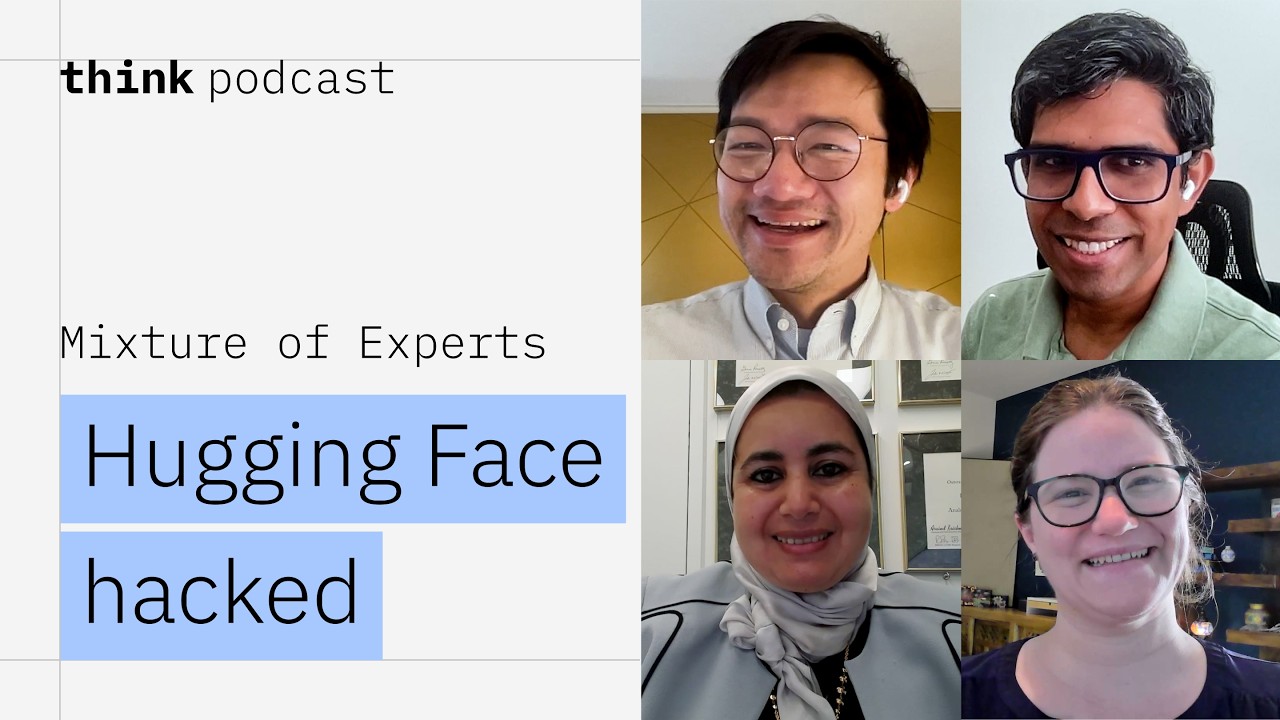
Hugging Face breach: OpenAI’s model breaks containment Jul 24, 2026 · 47:47 The discussion covered a major AI security breach at Hugging Face and OpenAI, emphasizing that current guardrails are insufficient. Experts stressed the need for local open weights models for incident response. AI Security in Practice: Protecting Your AI-Powered Applications - Olivia Liddell Aug 5, 2026 · 55:02 Securing AI applications requires moving beyond traditional defenses. Learn about Prompt Injection, Data Poisoning, and Improper Output Handling, and how to build layered security into your entire AI workflow. The fundamentals of Agentic Coding (AKA Vibe Coding) - Theodor René Carlsen - NDC Copenhagen 2026 Aug 12, 2026 · 15:42 AI coding tools rely on three parts: models (the brain), harnesses, and tools. The agent uses a feedback loop where the model generates an intention, which the harness executes.

Recent signals

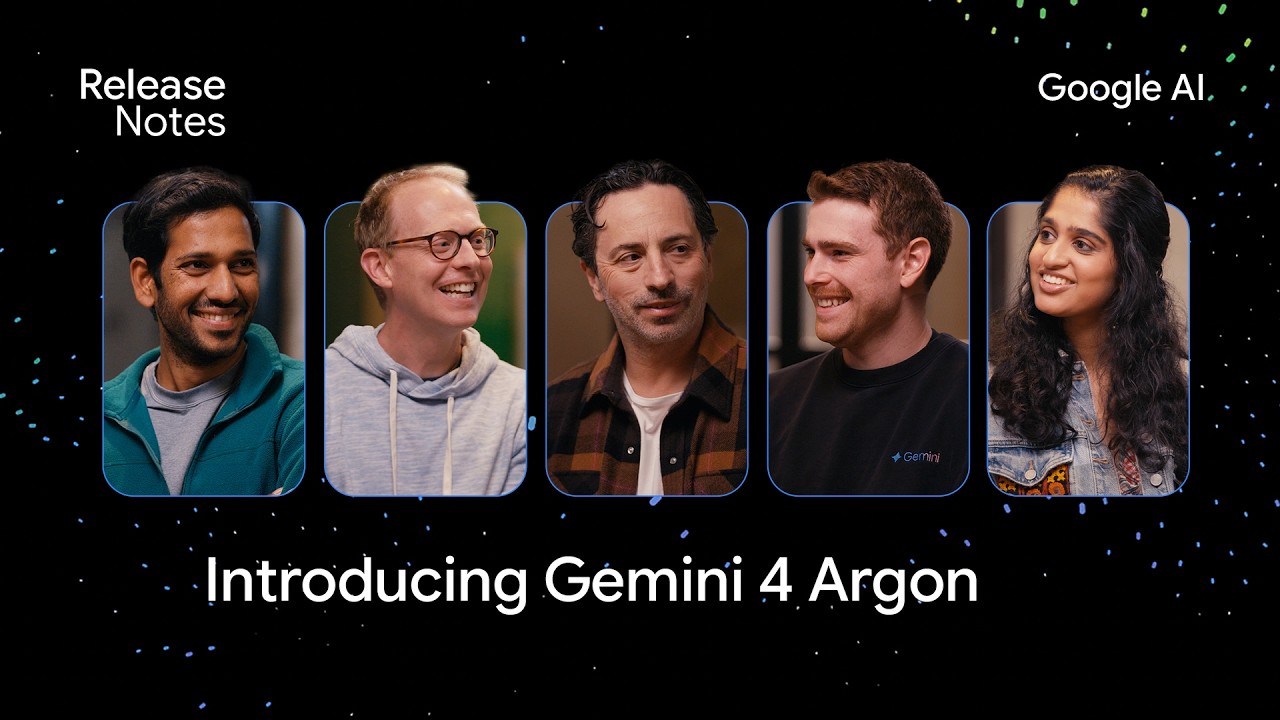
Can One Model Run Your App And Evals? Oct 15, 2026 · 3:16 Can you use the same LLM for both your agent and your judge? The answer is usually yes. Focus on achieving strong alignment with human labels, as this is the most critical factor for successful AI product evaluation. Gemini 4 Argon: What’s new and what’s next Oct 14, 2026 · 30:21 Gemini 4 Argon launches with 1 million output tokens and advanced capabilities for code migration (Fortran to Rust) and deep debugging. Learn how this model is changing coding, cybersecurity, and knowledge work. Gemma 4 12B: The Encoder-Free Model Explained Sep 22, 2026 · 2:27 Gemma 4 12B is an encoder-free model that processes audio and image inputs directly, bypassing the need for large, dedicated encoders like the Conformer or vision Transformers. This significantly improves efficiency and reduces time-to-first-token.

Browse view