Topic

Large Language Models (LLMs)

All digests tagged Large Language Models (LLMs)

Suggested route

Topic journey

Move from earlier context through the available material to the newest signals. This route is a reading aid, not a difficulty ranking.

Start here

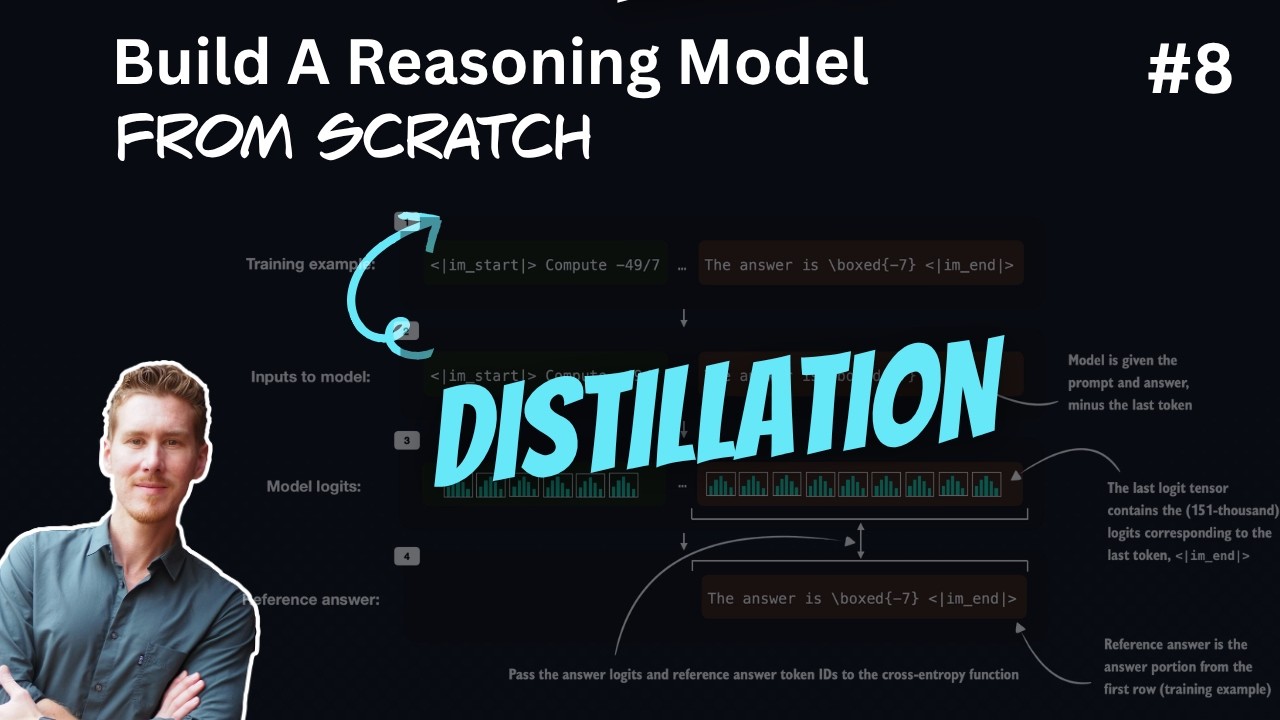
Local AI 202: Get Massive Speed-ups with Speculative Decoding Oct 14, 2026 · 1:22:13 Learn how speculative decoding techniques like MTP and DFlash achieve massive LLM speed-ups by training small 'draft models' to predict multiple tokens in parallel, validating them with the main model in a single forward pass.

Build context

New Model: Reflection Beam is a new Open Weight Model Oct 14, 2026 · 1:20:57 Reflection Beam is a new open-weight model for agentic use cases. It is highly token efficient and supports advanced RL and SFT, making it ideal for building complex, domain-specific AI applications. GSQ-RCO: Better Non-Uniform GGUF Quantization Oct 14, 2026 · 57:20 GSQ and RCO are complementary methods for accurate low-bit LLM quantization. GSQ uses Gumbel-Softmax sampling for stochastic optimization, while RCO optimizes bit allocation under fixed size budgets, enabling state-of-the-art model compression. Context Engineering for AI Agents: 4 Failure Modes to Avoid Oct 15, 2026 · 10:21 Context engineering is crucial for AI agents. Learn about context rot and four failure modes—Poisoning, Distraction, Confusion, and Clash—and how to improve agent reliability by deliberately pruning context.

Recent signals

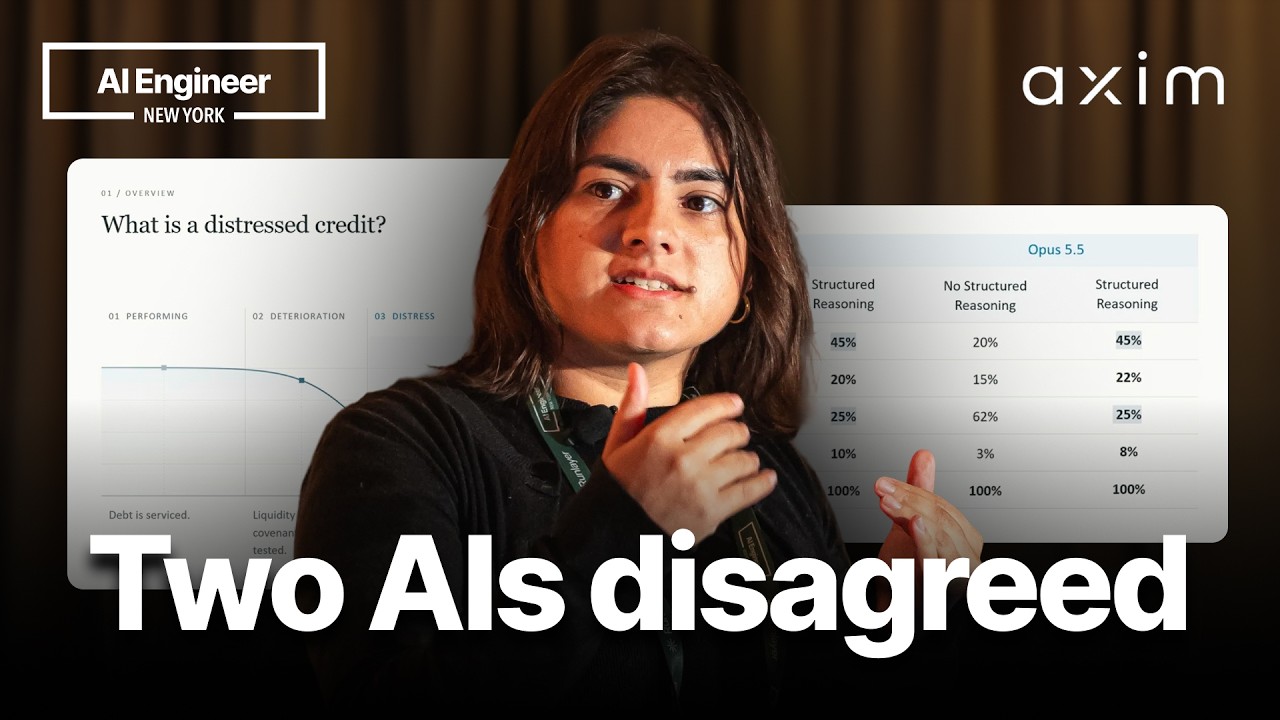
Building ChatGPT for Finance — Joseph Kim, OpenAI's Head of Financial Services Oct 31, 2026 · 27:35 Building AI for finance requires more than just a powerful LLM. Success hinges on integrating proprietary data, mastering plugin architecture, and training models on subjective human 'taste' to mimic expert judgment. Stop Giving Your Agent Tools. Give It a Sandbox - Mikyo King, Arize AI Oct 27, 2026 · 14:38 Code Mode is an alternative architecture for AI agents that uses a programming sandbox instead of a large tool catalog. This approach drastically reduces context bloat, lowers token usage, and enables emergent behavior by allowing agents to compose tools in code. Do Not Let Models Invent Numbers - Vinoo Ganesh, Kepler Oct 25, 2026 · 20:58 Kepler's architecture ensures LLMs cite numbers but never write them. By integrating deterministic code, a citation registry from 30M SEC documents, and a post-processing filter, the platform guarantees verifiable, auditable financial data.

Browse view