
How To Decide Who Owns AI Evals
AI Evals should not be a separate role; they must be an inner loop process. Domain expertise is key, and establishing a 'benevolent dictator' to define 'good' is crucial for efficient evaluation.
Read articleTopic
All digests tagged AI Evaluation (Evals)
Suggested route
Move from earlier context through the available material to the newest signals. This route is a reading aid, not a difficulty ranking.
AI Evals should not be a separate role; they must be an inner loop process. Domain expertise is key, and establishing a 'benevolent dictator' to define 'good' is crucial for efficient evaluation.
Read article
A deep dive into Anthropic's Claude skill for automating AI eval design. While promising, the speakers argue the automated process is flawed, advocating for a 'data-first' approach over automated eval creation.
Read article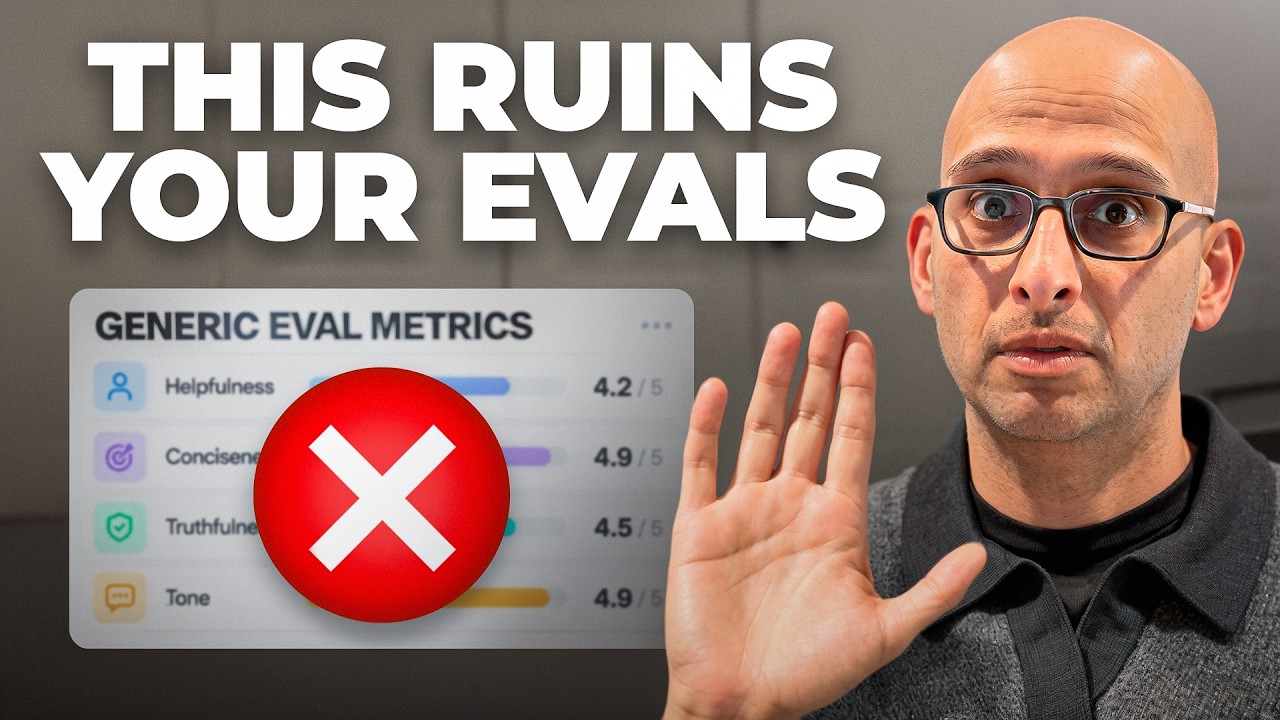
Learn the 7 most common mistakes in AI evaluation (Evals). From using generic metrics to failing to validate LLM judges, this guide shows how to build Evals you can actually trust.
Read article
An in-depth comparison of Opus 5 vs. Opus 5.5 reveals that while the newer model improves writing flow, both still struggle with 'slop' and require heavy human editing for technical content.
Read article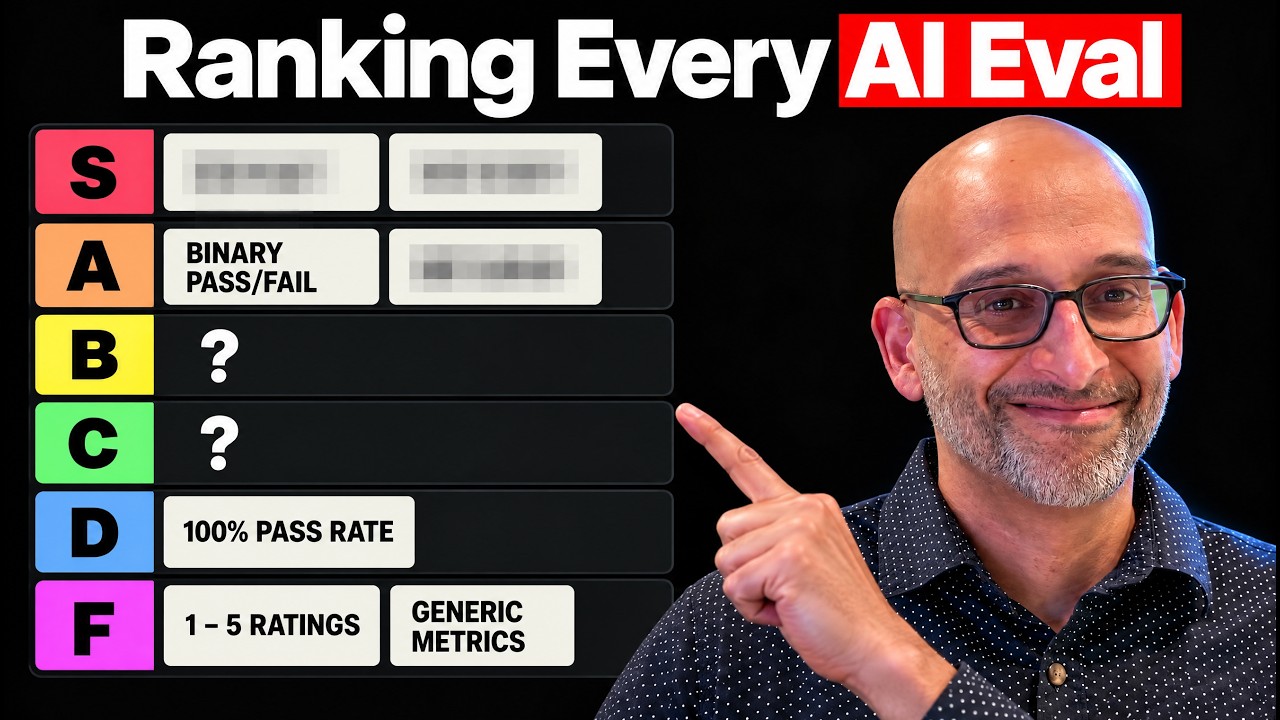
Stop using generic metrics and off-the-shelf LLM judges. The key to AI evaluation is always looking at your data first, using custom annotation tools, and validating judges with human labels.
Read article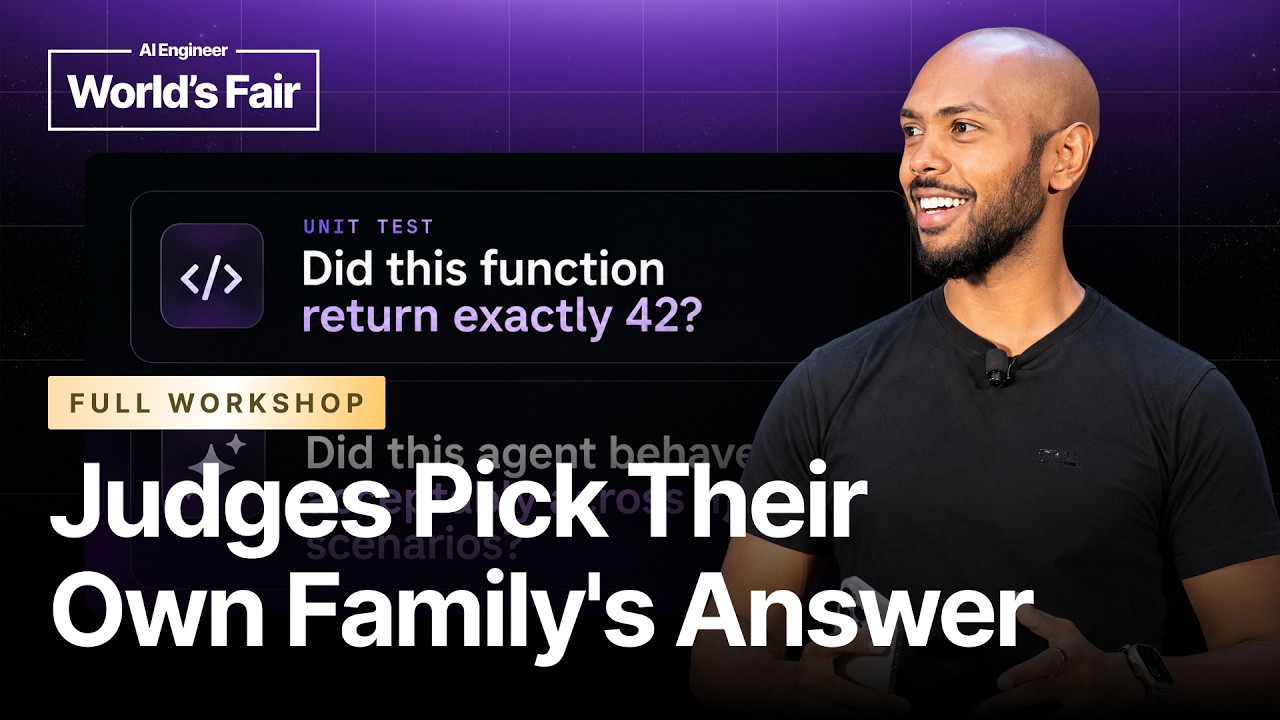
Evals are 'fuzzy unit tests' for non-deterministic AI systems. They provide ahead-of-time reliability, complementing runtime harnesses. Learn how to build an Eval suite, mitigate judge biases, and integrate it into a CI gate for production-grade safety.
Read article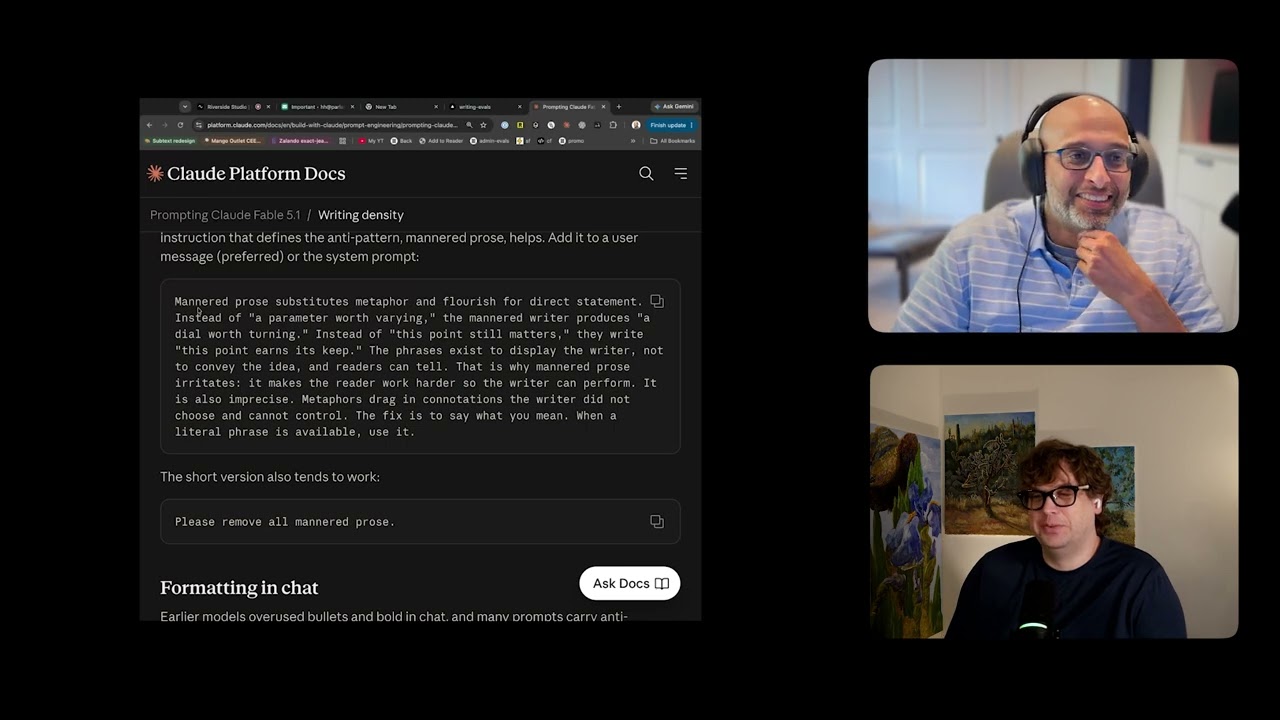
The speaker argues that for LLMs, context matters more than the specific wording of the prompt. Overly elaborate 'mannered' prompts are often imprecise, suggesting that simple, literal context is the most powerful guide.
Read article