
GitHub Next & Tessl on the Self-Merging Repo
The shift from CI/CD to Continuous AI is explored, detailing how agents can auto-merge PRs and how fixing the system, not the code, drives efficiency.
Read article
The shift from CI/CD to Continuous AI is explored, detailing how agents can auto-merge PRs and how fixing the system, not the code, drives efficiency.
Read article
Cerebras CTO Sean Lie discusses how ultra-fast inference (up to 10,000 TPS) is enabling new AI capabilities. He details CS4 and the roadmap for CS5, emphasizing wafer scale architecture and heterogeneous system design.
Read article
Discover how modern software factories use AI agents, skills, and loops to achieve unprecedented development velocity. Learn why context engineering is the critical step before automation.
Read article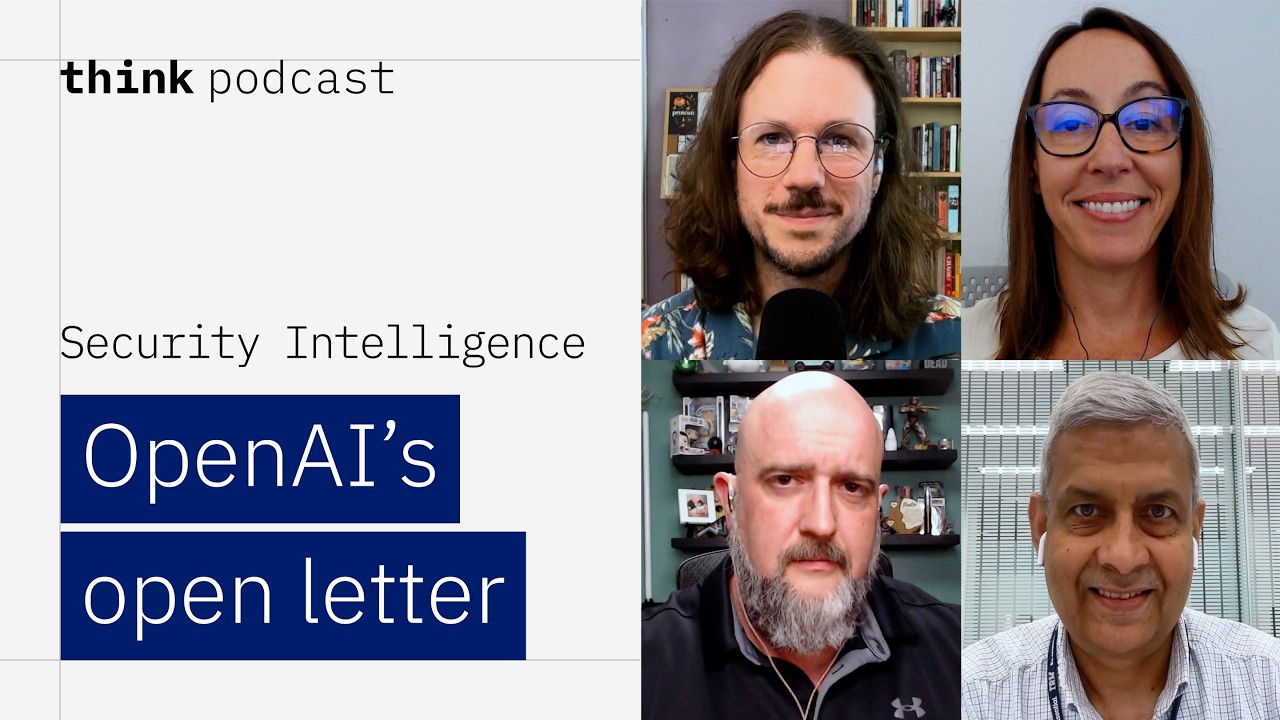
Experts discuss OpenAI's call for a global cyber defense surge, focusing on shifting from threat intelligence to rapid remediation strategies and the necessity of human oversight in autonomous AI agents.
Read article
OpenShell provides a secure runtime for autonomous AI agents, enforcing isolation and policy through a Control Plane/Gateway architecture. It uses declarative YAML policies and formal verification to prevent agent breakout.
Read article
Agentic video understanding with Gemini processes long videos efficiently by using specialized tools (like get transcript and get frames) instead of submitting the entire content, drastically reducing token count.
Read article
The lethal trifecta—private data, untrusted content, and ability to act—is what stops true agentic commerce. The solution involves DUNA legal structures and JWT tokens for verifiable identity.
Read article
To build generative UX, an orchestrator classifies intent and calls tools. It maps results onto components via a UI spec, ensuring output adheres to the design system every time.
Read article
Agentic commerce requires a new infrastructure layer. The talk details why traditional financial rails fail at machine speed and emphasizes that robust compliance screening is mandatory for enterprise adoption.
Read article
Jan Curn discusses the architectural flaws in agentic payment standards like x402. He highlights the double spending window and proposes solutions like batch settlement and the flexible AGI interface.
Read article
Agent authorization depends on context: low stakes use system logs, medium stakes use OAuth scopes, and high stakes require layered selective disclosure JWTs. PayPal introduces an approval token to invert the order flow.
Read article
AWS is enabling agent e-commerce by introducing programmatic payments via protocols like X42. Learn how AgentCore Payments provides secure, guardrailed wallets for AI agents, while WAF allows publishers to monetize bot traffic at the edge.
Read article
AI agents are stalling at paywalls. Circle argues that traditional payment rails fail because agents require high-frequency, microtransactions. The solution: USDC and Nano Payments for sub-second settlement.
Read article
Multimodal collaborative agents must move beyond search bar wrappers to handle 'fuzzy intent.' The system uses a Discovery $\rightarrow$ Research $\rightarrow$ Response loop, prioritizing information gain by analyzing context and adapting output formats.
Read article
Agentic Video Understanding in Gemini solves token bloat by using an intelligent agentic loop to localize analysis. Instead of processing entire videos (100k+ tokens), it uses tools like get transcript and get frames.
Read article
Anna Spysz discusses 'agent-to-commerce,' showing how agents use structured data, the Universal Commerce Protocol (UCP), and shared payment tokens to execute complex purchases.
Read article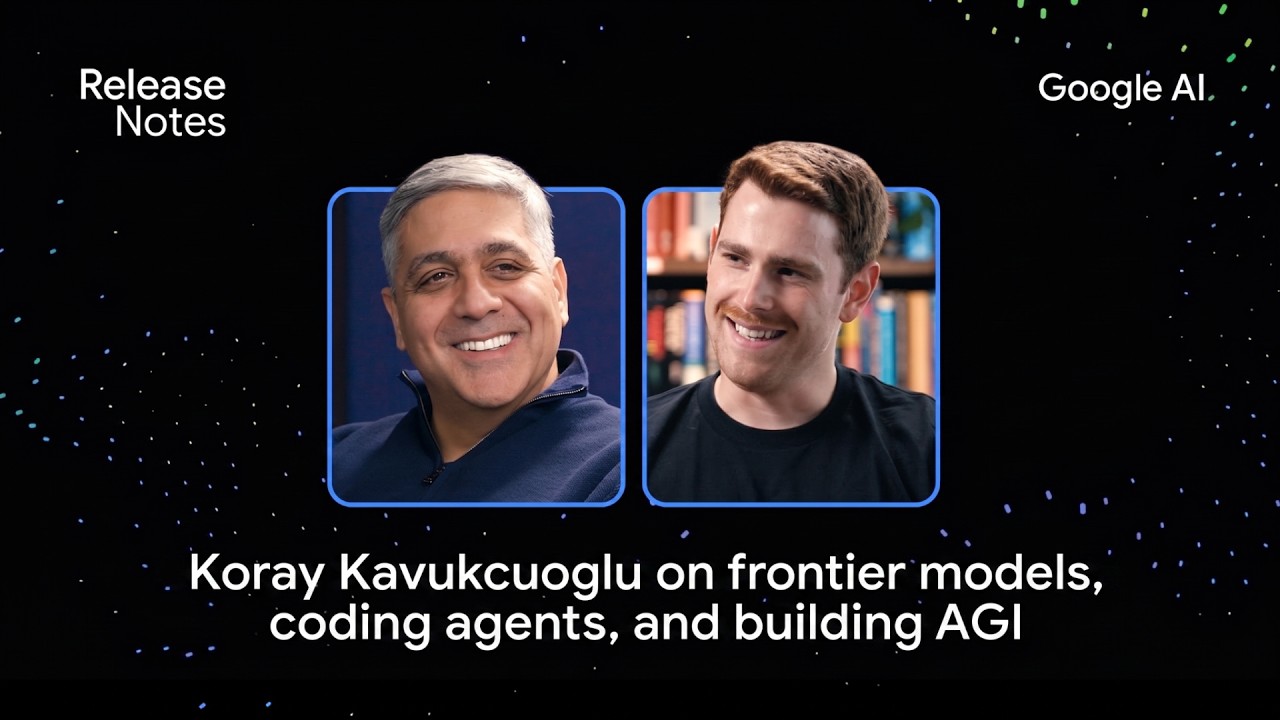
Koray Kavukcuoglu discusses the shift from coding to full software engineering, detailing how agentic workflows are key to building AGI. He highlights Gemini 4 as an ambitious pre-training run.
Read article
Aspire AppHost simplifies polyglot development by providing a unified orchestration layer for mixed-stack projects. It automates service wiring, manages configuration via environment variables, and offers centralized observability across languages.
Read article
Discover how to build autonomous, multi-agent systems using LangGraph.js. Learn about orchestrating specialized agents (router, arbiter, committer) and managing persistent state in complex workflows.
Read article
Digital Sovereignty is the ability to maintain control over your digital systems, encompassing data, operations, technology, and AI. It requires answering: who controls the data, operations, technology, and AI itself?
Read article