
Token Maxxing Is Over and Here Is What Comes Next
The era of 'token maxxing' is over. To prove AI's ROI, focus on headcount saved, not token spend. Use 'Sonnet maxxing' and structured meta harnesses to keep human engineers in the loop.
Read articleTopic
All digests tagged LLM Orchestration
Suggested route
Move from earlier context through the available material to the newest signals. This route is a reading aid, not a difficulty ranking.
The era of 'token maxxing' is over. To prove AI's ROI, focus on headcount saved, not token spend. Use 'Sonnet maxxing' and structured meta harnesses to keep human engineers in the loop.
Read article
Is the agent harness dead? Jediah Katz explains that while models are absorbing coding skills via the data flywheel, the harness remains critical for infrastructure, security, and unlocking new, non-coding frontiers.
Read article
OpenProse defines multi-agent workflows as declarative contracts in plain markdown. This framework enables event-driven, auditable automation for tasks like PR reviews and quant model documentation.
Read article
Flywire's Orbit platform integrates LLMs into deterministic workflows using YAML definitions, ensuring AI-driven automation maintains strict control and compliance within existing CI/CD infrastructure.
Read article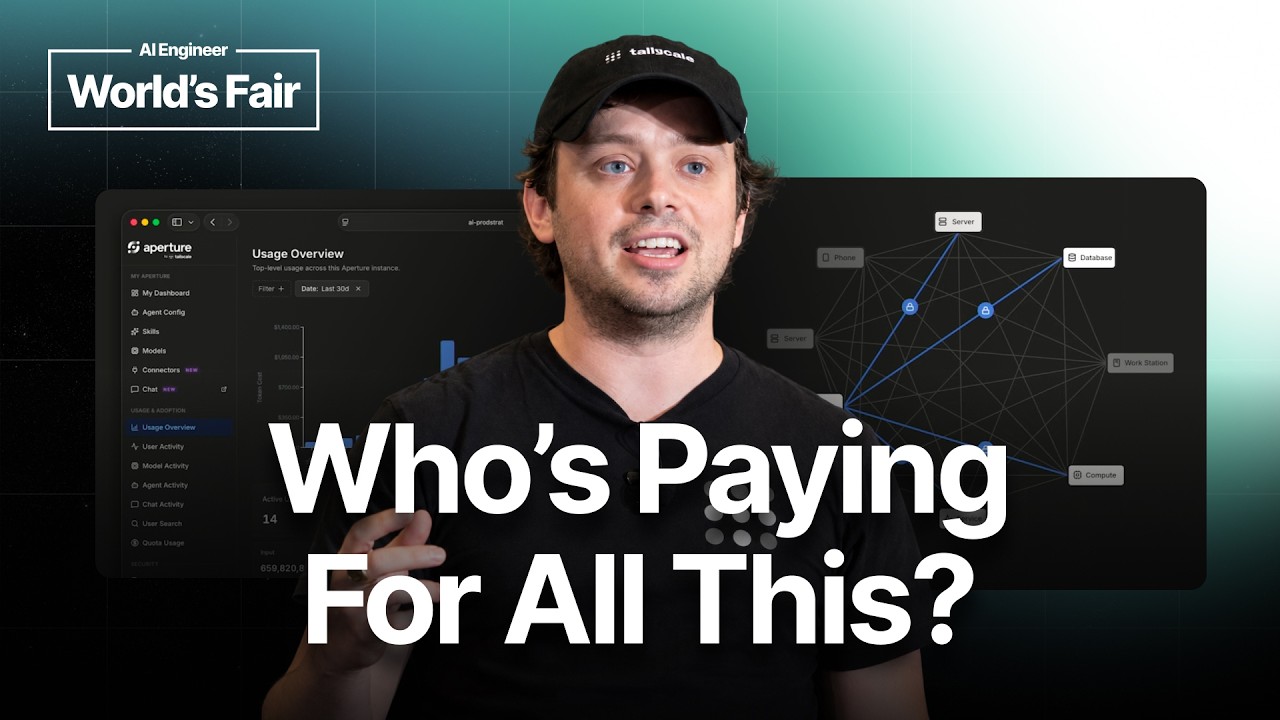
To escape AI lock-in, modern AI deployments must be modular. An AI gateway centralizes identity, manages budgets, and decouples the LLM, data connectors (MCP), and interfaces, ensuring maximum choice and ROI.
Read article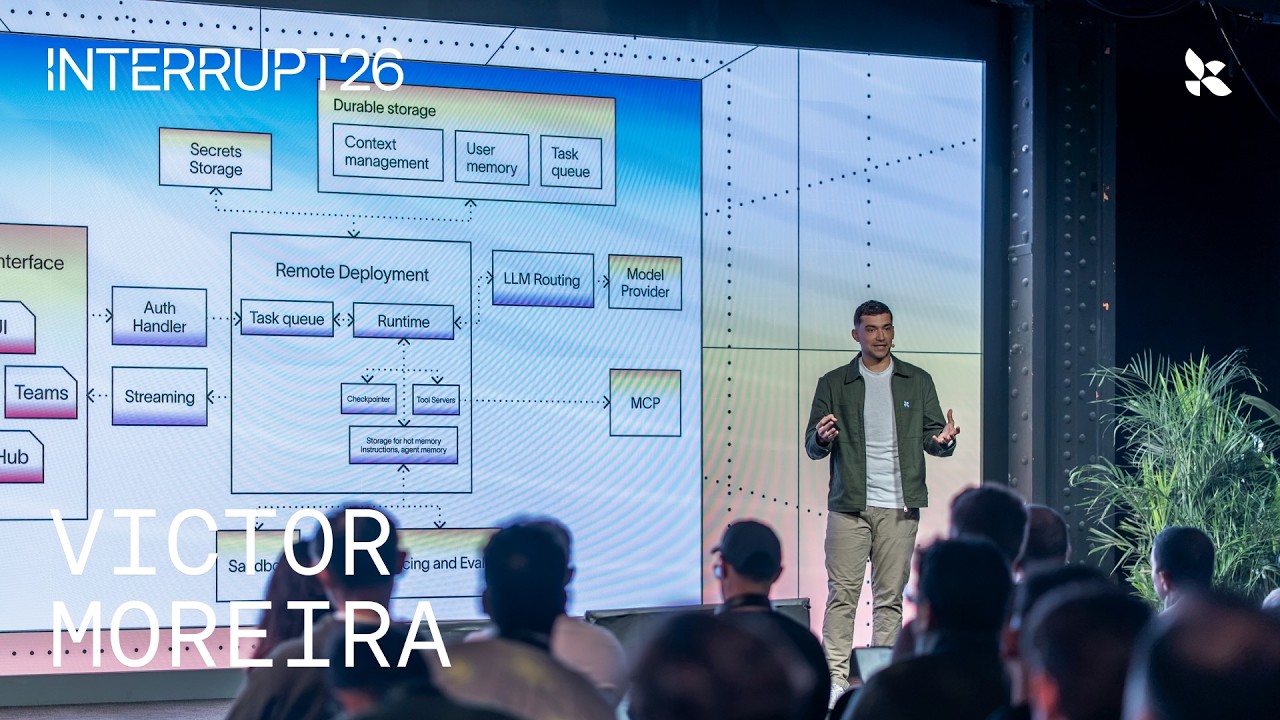
Managed Deep Agents simplifies deploying mission-critical AI agents. It bundles the Deep Agents harness with managed LangSmith infrastructure, allowing developers to define, test, and deploy agents using the mda CLI.
Read article
Connecting agents is a distributed systems problem requiring solutions for ordered transport, persistence, and runtime binding. BAND introduces an interaction layer to solve the single-agent bottleneck.
Read article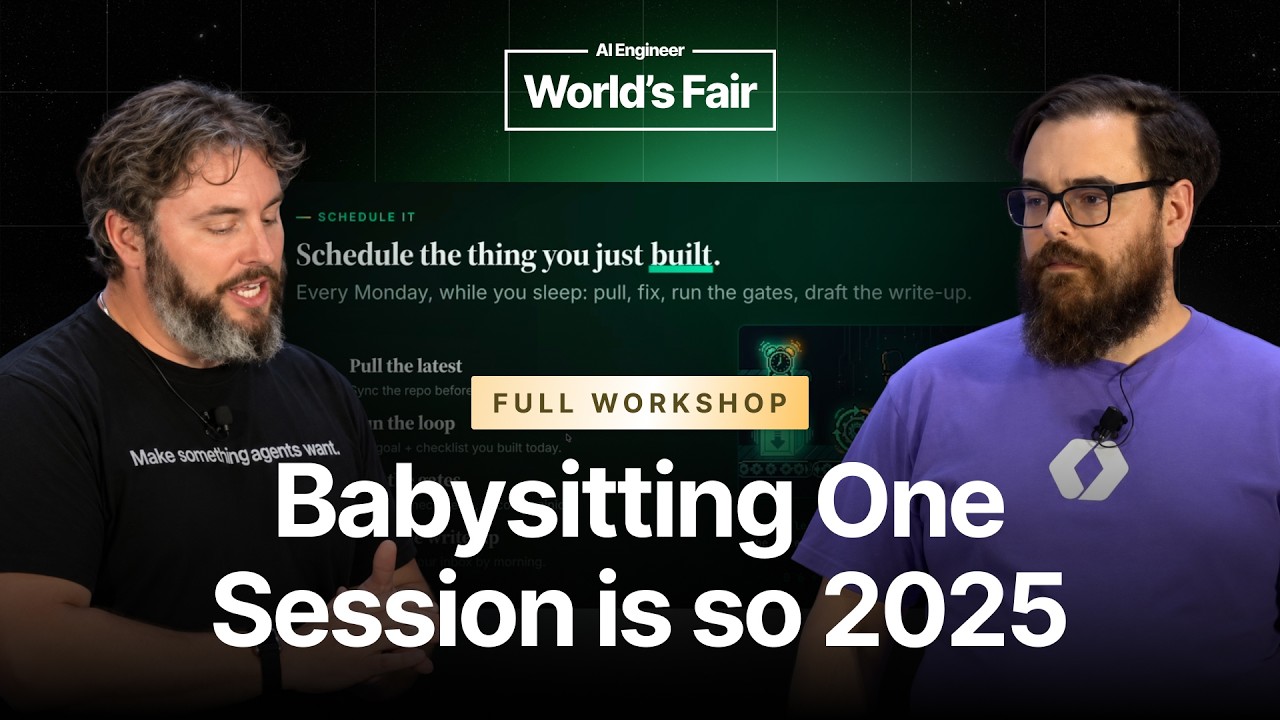
Learn to operate a 'fleet of agents' instead of babysitting single sessions. We cover Goals, Loops, Hooks, and Git worktrees to build fully autonomous, verifiable development workflows.
Read article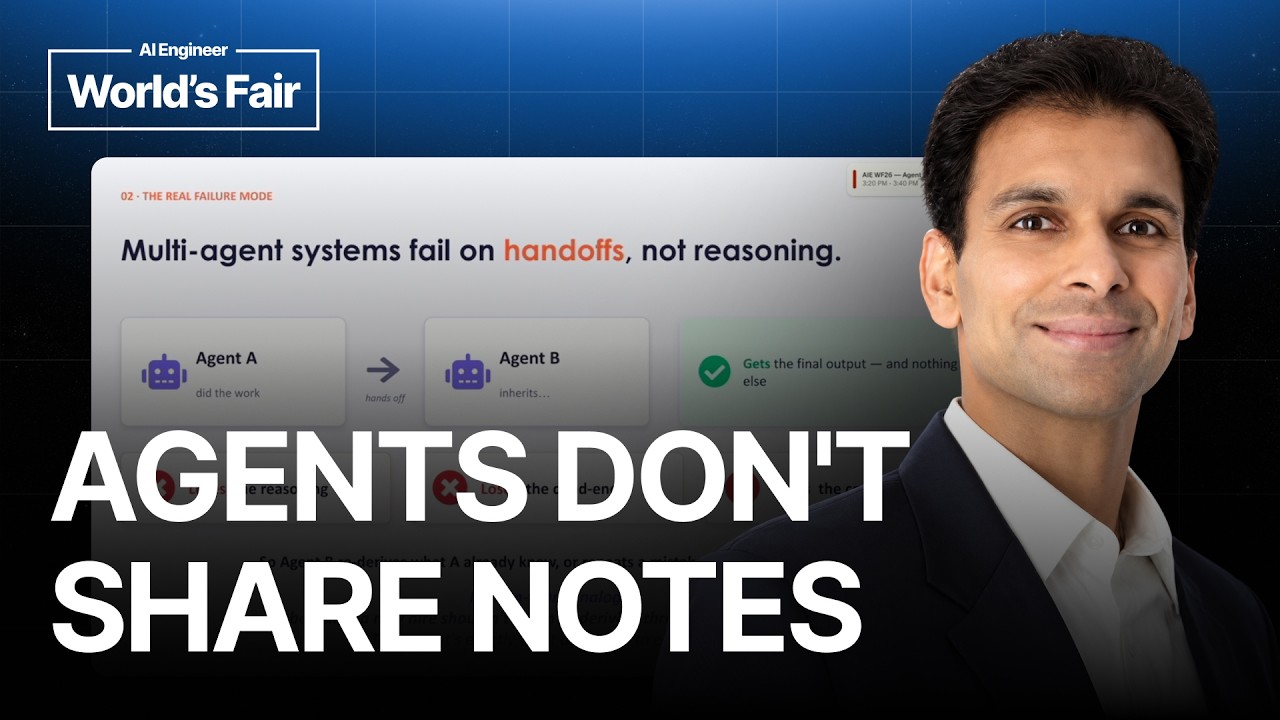
Agent memory is solved, but shared learning across agents is not. The solution requires an agent-native persistence layer (Meko) to promote private memories into governed, shared data packs.
Read article
LangChain outlines the shift to 'owning your intelligence' by building domain-specific agents. The platform provides Managed Deep Agents, Jev decision models, and LangSmith Engine v2 for robust governance and production readiness.
Read article
The ROI in an AI software factory comes from the system surrounding the agent—context, verification, and feedback loops—not the agent itself. Learn how to measure the full cost of a PR.
Read article
Learn how to use Schedules for Managed Deep Agents to automate recurring tasks. Configure cron jobs to generate weekly reports from Salesforce and deliver them automatically to Slack via LangSmith.
Read article
Learn how to build Patch, an agent that converts Slack messages into working GitHub PRs. This walkthrough details using Managed Deep Agents to integrate Slack, GitHub, and a sandbox with minimal code.
Read article
Voice AI agents often fail in production due to latency, brittle data collection, and poor LLM-to-TTS handoffs. The talk outlines solutions using structured data modeling and normalization layers.
Read article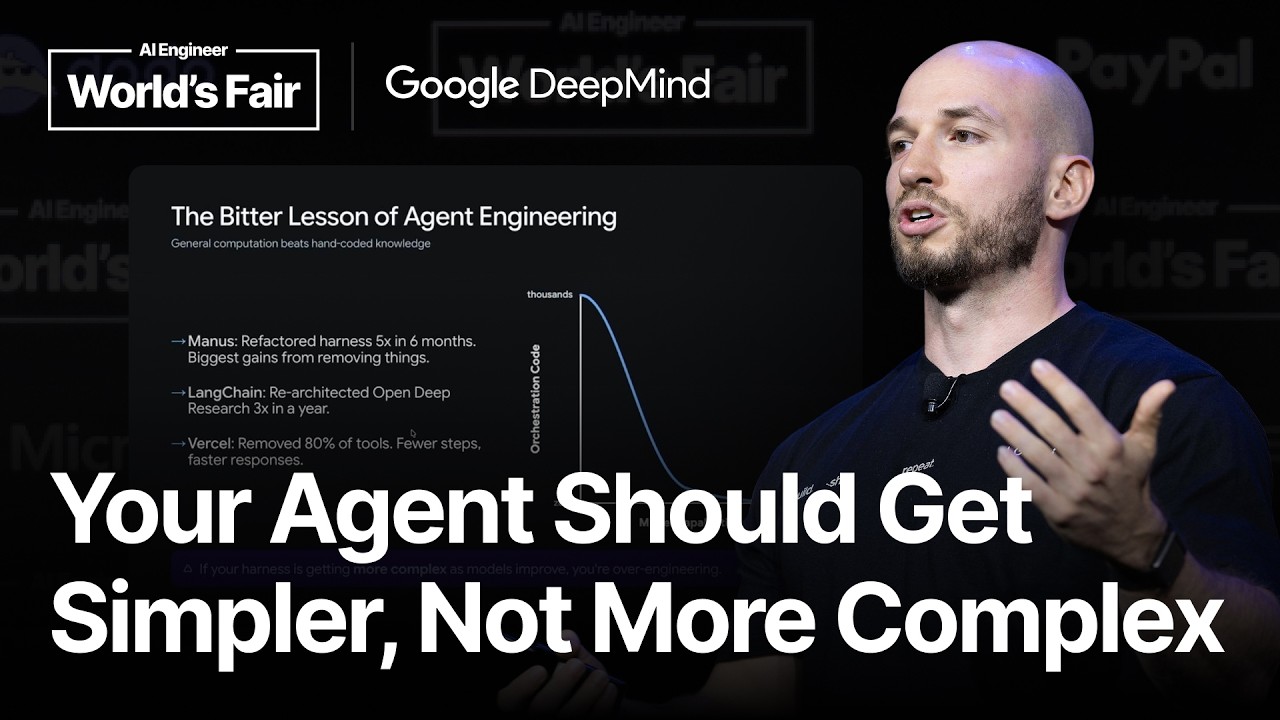
Agents are evolving from complex Python loops to declarative, file-based definitions. The new architecture uses a secure sandbox and server-side state management, allowing developers to focus on instructions and capabilities rather than orchestration code.
Read article
Anna Spysz discusses 'agent-to-commerce,' showing how agents use structured data, the Universal Commerce Protocol (UCP), and shared payment tokens to execute complex purchases.
Read article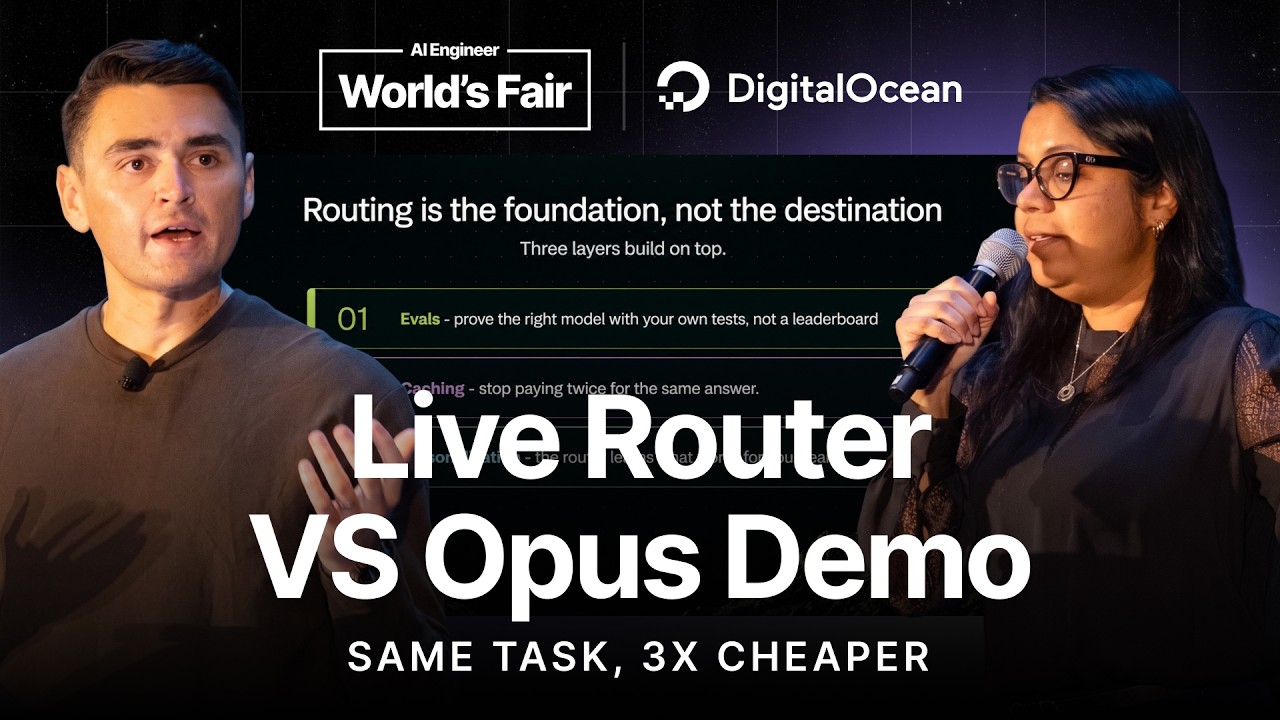
Model routing argues that there is no single best LLM. By using a purpose-built Mixture of Experts model, developers can dynamically select the optimal AI model per request based on cost, latency, and task type.
Read article
Building agents has become trivial due to cloud primitives, but missing institutional context remains the biggest failure point. A Context Engine solves this by synthesizing knowledge from docs, code, and tickets, preventing outages.
Read article
Skills package task-specific procedures and context into reusable directories. You can define them in markdown files, and they are picked up automatically by the agent.
Read article
This guide walks through scaffolding and deploying Managed Deep Agents using the MDA CLI. Key steps include defining instructions in `instructions.mmd`, local testing with `MDA dev`, and syncing context to the Context Hub before final deployment.
Read article