Accelerating AI innovation
Discover how CoreWeave builds an end-to-end AI platform, integrating purpose-built GPU infrastructure, LOTA storage, and Mission Control™ for reliable, large-scale AI training and inference.
Read articleTopic
All digests tagged MLOps
Discover how CoreWeave builds an end-to-end AI platform, integrating purpose-built GPU infrastructure, LOTA storage, and Mission Control™ for reliable, large-scale AI training and inference.
Read article
Learn how to build and improve AI agents using Coreweave Arena. The workflow covers Serverless Inference for agent functionality and Serverless RL for boosting reliability.
Read article
ARIA, a self-improving AI agent, uses a closed-loop framework to take production traces, convert them into offline eval tasks, find bugs, write fixes, and benchmark the new version.
Read article
SmithTune provides a single, end-to-end workflow to convert agent traces into custom fine-tuned models. The process includes dataset creation, training (using providers like Fireworks or Baseten), and evaluation.
Read article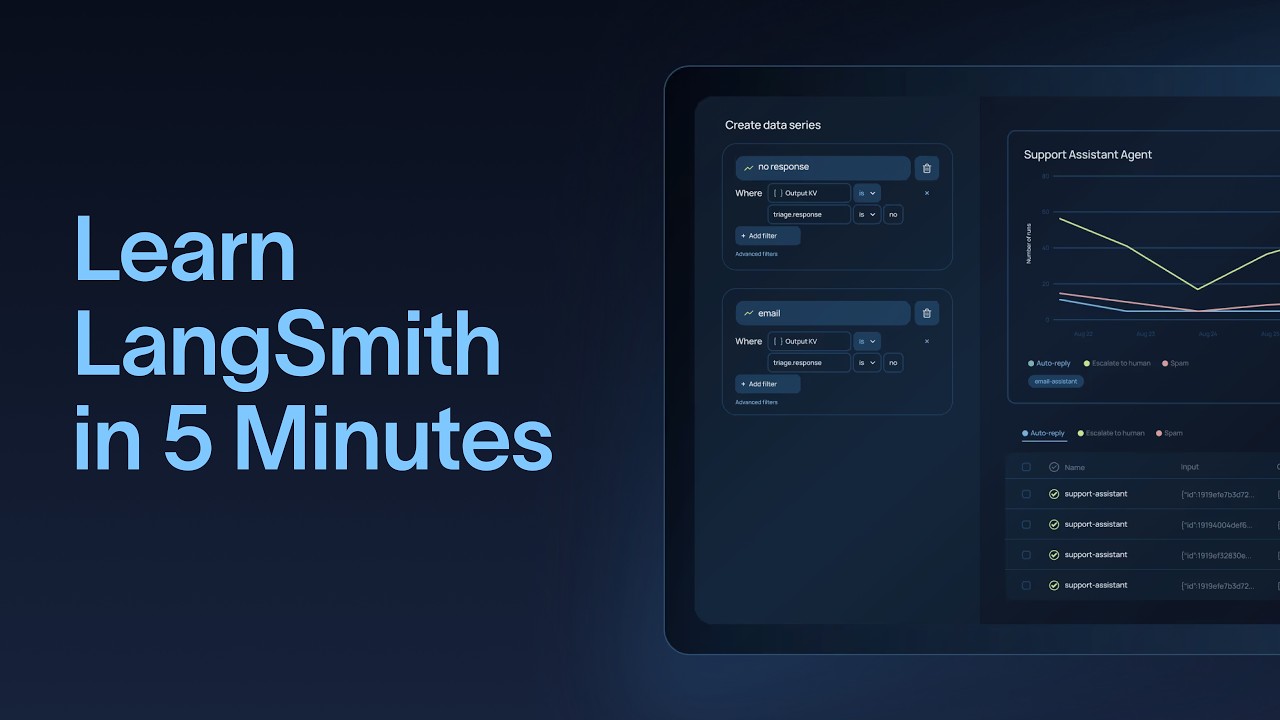
LangSmith is LangChain's platform for the Agent Development Lifecycle (ADLC). It provides critical observability, allowing engineers to trace complex LLM agent interactions, debug tool calls, and monitor performance in production.
Read article
Unmute is an open declarative standard for voice agents that solves vendor lock-in and prompt fragility. By compiling agent behavior into portable packages, it ensures structural guarantees and portability across platforms like LiveKit and PipeChat.
Read article
CoreWeave ARIA is an AI research agent built into Weights & Biases that accelerates the self-improving AI loop. It automates auto-research, analyzes training runs, and optimizes agent performance.
Read article
Domyn outlines building sovereign AI models for regulated industries using advanced techniques like model compression, CPT, and RL. They detail custom tooling (Swarm, FinalFlows) essential for managing large-scale ML pipelines.
Read article
Loop engineering represents a shift from manual prompting to designing autonomous control systems that delegate tasks, verify results, and self-optimize until a goal is met. This industrializes software development.
Read article
Scaling LLMs requires sophisticated synthetic data pipelines, rigorous weight hashing checks, and fixing numerical precision bugs (BF16/FP32) to build models like Laguna S (118B parameters).
Read article
Learn how Uber built closed-loop evaluation systems for multimodal agents. Discover strategies for countering reward hacking and scaling AI enhancements while preserving authenticity at 90 billion run rate.
Read article
Coding agents are generalist agents because of positive transfer: better at code means better at everything. The future requires single Systems of Record to manage context and surfaces.
Read article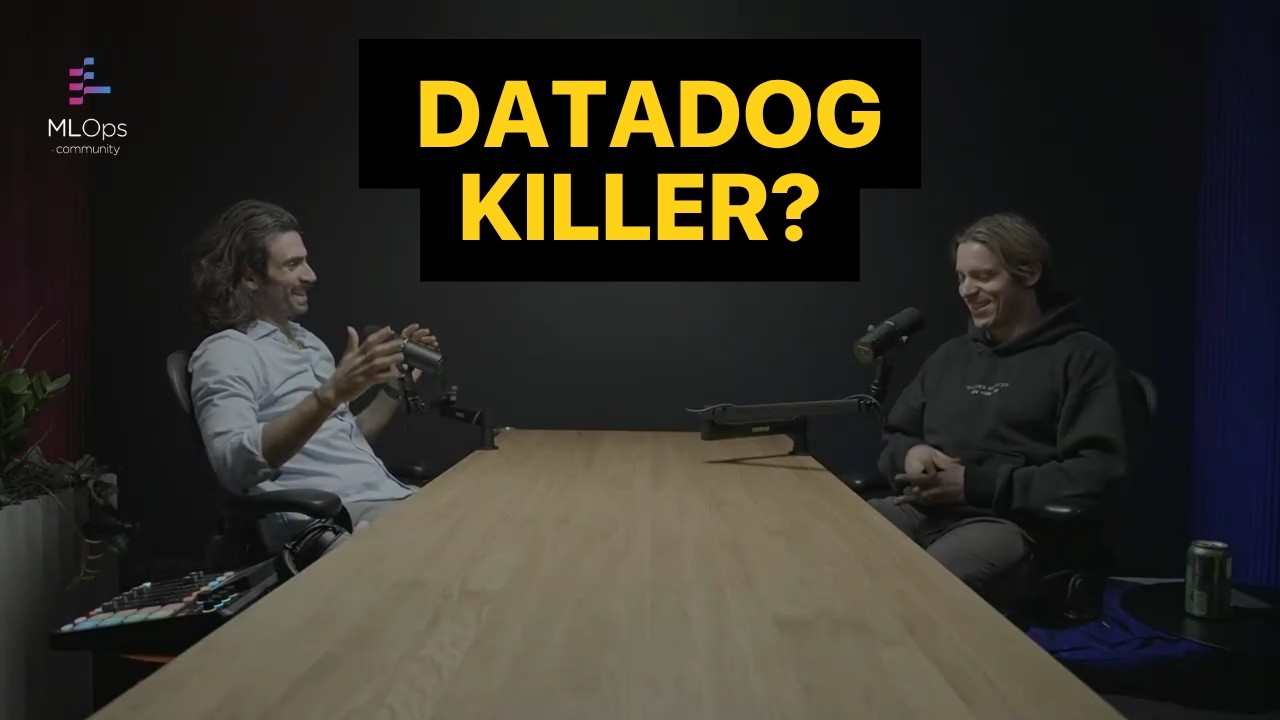
Sazabi is an AI-native observability platform betting that logs are all you need to replace traditional tools like Datadog. It uses Git for agent memory and sandboxes for safe, parallel investigation.
Read article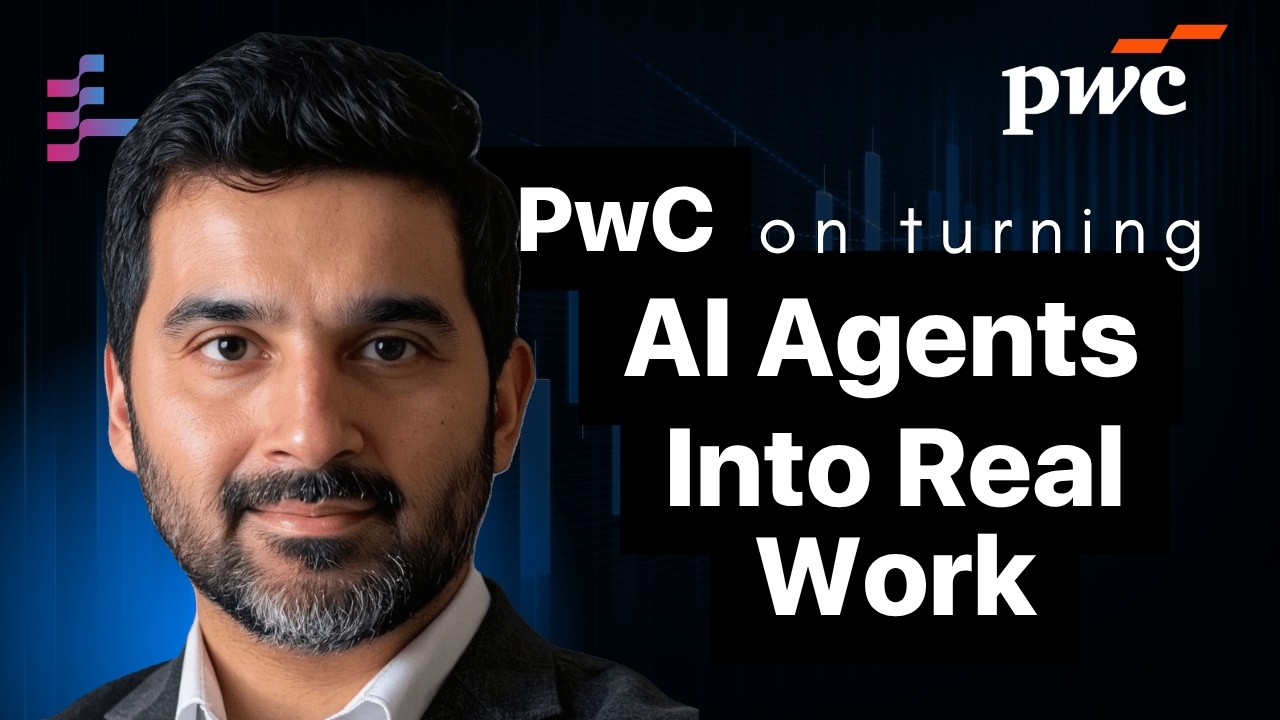
To move agents to production, organizations must implement rigorous governance. This includes classifying risk (reversible, sensitive, consequential), establishing a minimum control stack, and auditing across five pillars: Quality, Performance, Safety, Cost, and Business Impact.
Read article