
Managed Deep Agents - Tools
Learn how to add custom tools to your managed deep agent using LangChain. Tools allow agents to interact with external APIs and databases by defining them as decorated Python functions.
Read articleTopic
All digests tagged LangChain
Learn how to add custom tools to your managed deep agent using LangChain. Tools allow agents to interact with external APIs and databases by defining them as decorated Python functions.
Read article
Skills package task-specific procedures and context into reusable directories. You can define them in markdown files, and they are picked up automatically by the agent.
Read article
This guide walks through scaffolding and deploying Managed Deep Agents using the MDA CLI. Key steps include defining instructions in `instructions.mmd`, local testing with `MDA dev`, and syncing context to the Context Hub before final deployment.
Read article
LangSmith LLM Gateway provides a single endpoint to enforce consistent cost controls (spend limits and rate limits) across multiple LLM providers, solving decentralized token spend issues.
Read article
Centralized LLM Gateways are critical for governing autonomous agents, managing cost, ensuring compliance (GDPR, HIPAA), and providing reliability through fallbacks and rate limits across the entire Agent Development Lifecycle.
Read article
Improving agents is a data mining problem. The key to continuous improvement is collecting comprehensive agent traces, which serve as the substrate for observability and continual learning.
Read article
Learn how to build an autonomous social media agent using LangChain's Managed Deep Agents. We cover tool creation, scheduling, memory management, and full deployment to Slack.
Read article
We're going to use LangSmith managed deep agents and Stagehand V4 tools. This allows us to build an agent that can interact with web pages by scrolling, clicking, and navigating across pages.
Read article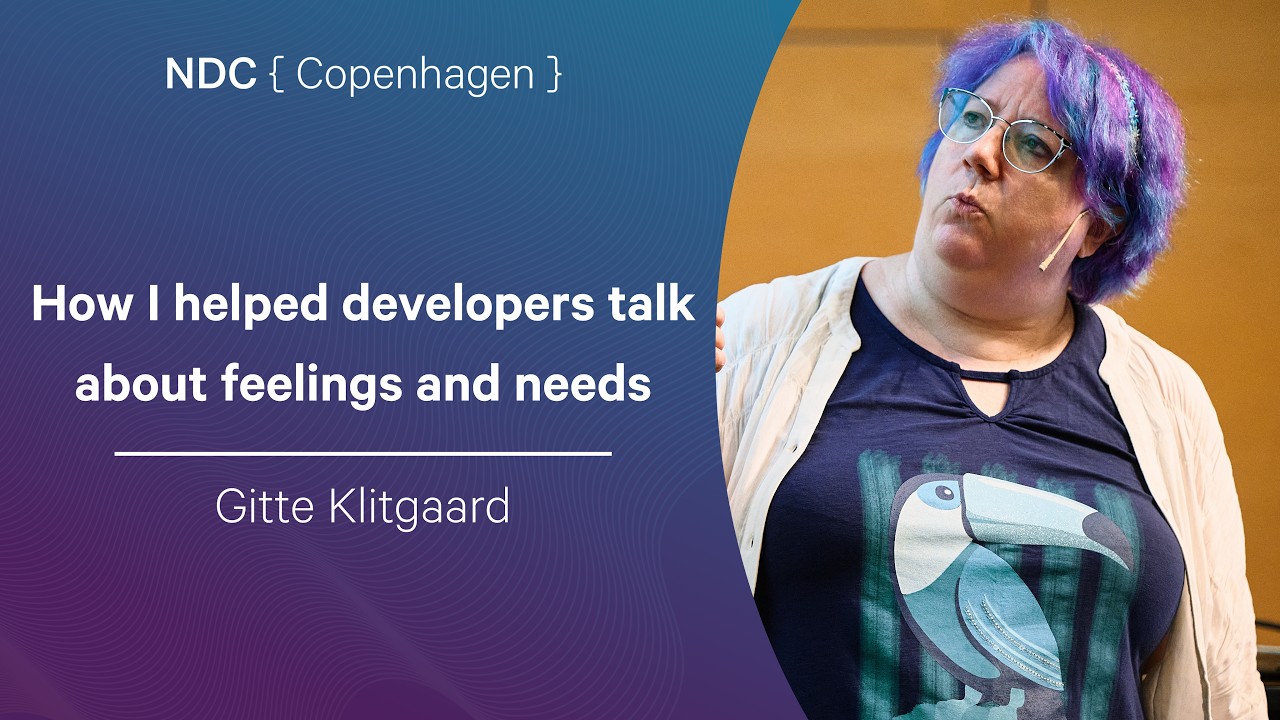
The talk emphasizes that building strong teams requires more than just coding; it demands psychological safety, clear communication tools, and setting a 'frame' for discussion.
Read article
Deep Agents are defined as a sophisticated 'harness' built around foundational LLMs, providing necessary infrastructure—memory, tools, file systems, and middleware—to make agents reliable for production use.
Read article
Building AI SRE agents requires overcoming petabyte-scale data challenges. Success hinges on creating a robust agent harness, building a production world model, and strategically balancing offline vs. online search.
Read article
Mastering the Agent Development Lifecycle requires moving beyond demos to systematic iteration across Build, Test, Deploy, Monitor, and Govern. Learn how advanced tooling uses tracing and online evals to ensure agents behave reliably at scale.
Read article
dcode introduces the /goal command for long-running tasks. It establishes visible acceptance criteria and uses a 'goal loop' to guide agents over hours, allowing mid-run steering and inspection via LangSmith tracing.
Read article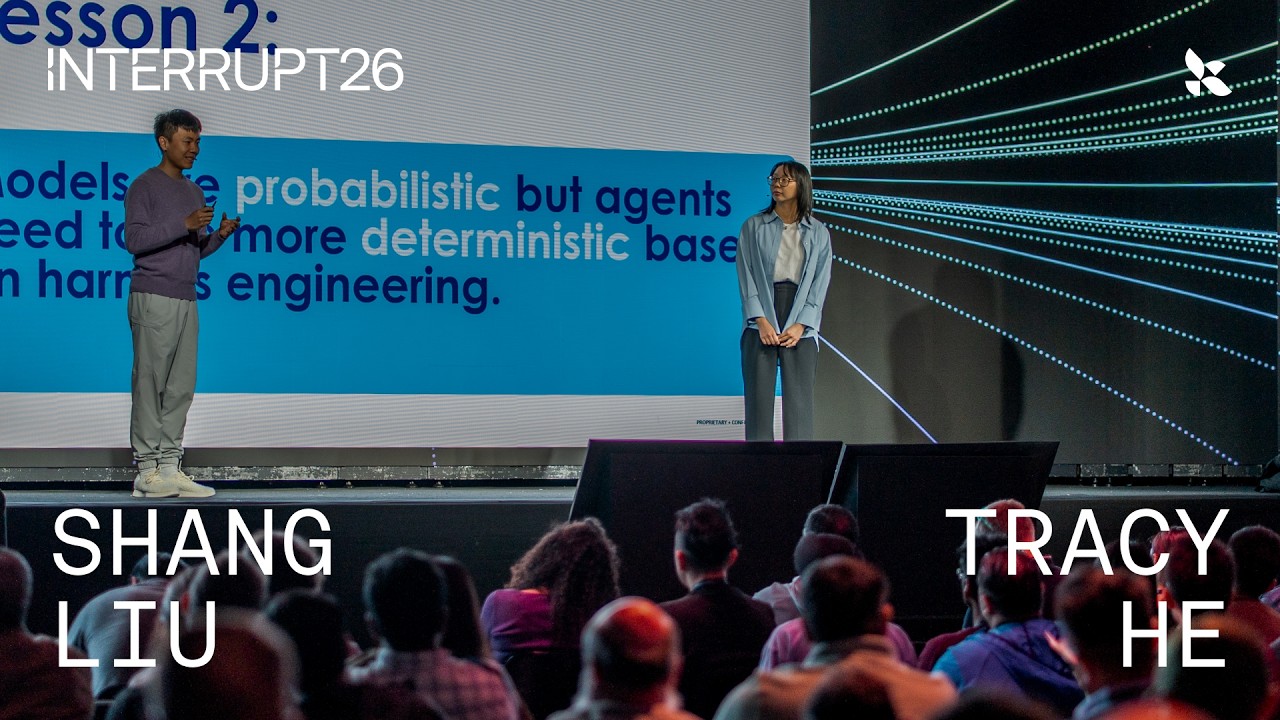
Learn how LinkedIn built a hiring agent using LangGraph to cut time-to-interview by 60%. We cover the shift from static workflows to advanced plan-execute-replan loops and essential harness engineering techniques.
Read article