Baz, Docker & Meta on Verifying Agent Code
Coding agents are great at generating code, but verification is the hard part. Learn how to use test oracles, anti test slop, and ADRs to ensure AI-generated code is reliable.
Read articleChannel
Digests from AI Native Dev
Coding agents are great at generating code, but verification is the hard part. Learn how to use test oracles, anti test slop, and ADRs to ensure AI-generated code is reliable.
Read article
Tessl Code Review is an AI-native solution for code quality, integrating into GitHub to catch defects in agent-generated PRs. It uses customizable 'lenses' and self-improvement loops to ensure code reliability.
Read article
Scaling agentic coding requires fixing fundamentals first: CI/CD, platform stability, and testing. The 2025 DORA report warns that agents make weak delivery worse.
Read article
AI code generation creates a bottleneck in traditional review processes. The talk explores how rapid agent output strains human maintainers, arguing that review is about aligning mental models, not just quality control.
Read article
Running AI agents in production requires shifting focus from root cause analysis to context. Key insights cover using combined data sources (Elastic logs + ServiceNow) for diagnosis, optimizing GPU usage during tool calls, and building AI-powered tracing frameworks.
Read article
The shift from CI/CD to Continuous AI is explored, detailing how agents can auto-merge PRs and how fixing the system, not the code, drives efficiency.
Read article
Discover how modern software factories use AI agents, skills, and loops to achieve unprecedented development velocity. Learn why context engineering is the critical step before automation.
Read article
Tessl Code Review addresses the bottleneck of trusting AI-written code by reading PR intent, using customizable 'review lenses' scoped via globs, and allowing teams to own their review standard in a versionable repo file.
Read article
Achieving AI ROI requires architecting the system around the agent. Focus on robust feedback loops, formal verification, and federated data views that stitch together real-time and historical context.
Read article
Skills are transforming software development from revolving around code to intent. Experts argue that managing skill sprawl requires treating skills as code, focusing on context engineering over model size.
Read article
Lada Kesseler details 'loop engineering' for AI agents, arguing that quality is achieved through iterative refinement (the centrifuge). She advises using deterministic verifiers and structured ground rules over expecting perfect first drafts.
Read article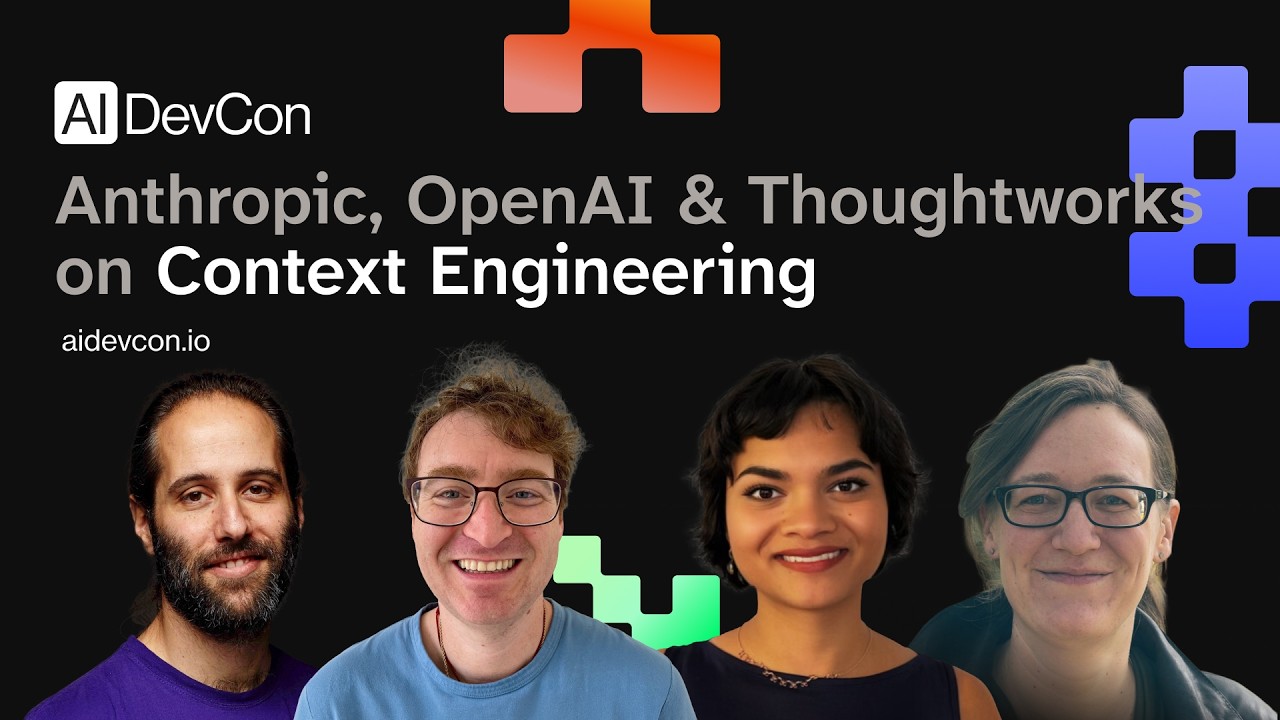
Context engineering is now the main lever on what a coding agent can actually do. The three remaining constraints are human time, attention, and the context window.
Read article
Don Syme discusses Continuous AI, extending CI/CD into subjective automation using GitHub Agentic Workflows. Key focus areas include bounding context and making the repo the unit of production.
Read article
A 'dark factory' is an autonomous software model where processes run without human supervision. The speaker details how agents automate workflows, moving engineering value from writing code to system oversight.
Read article
The Dark Factory is an autonomous software building model where processes run without continuous human supervision. It uses agents to solve Linear issues and manage GitHub PRs until merge.
Read article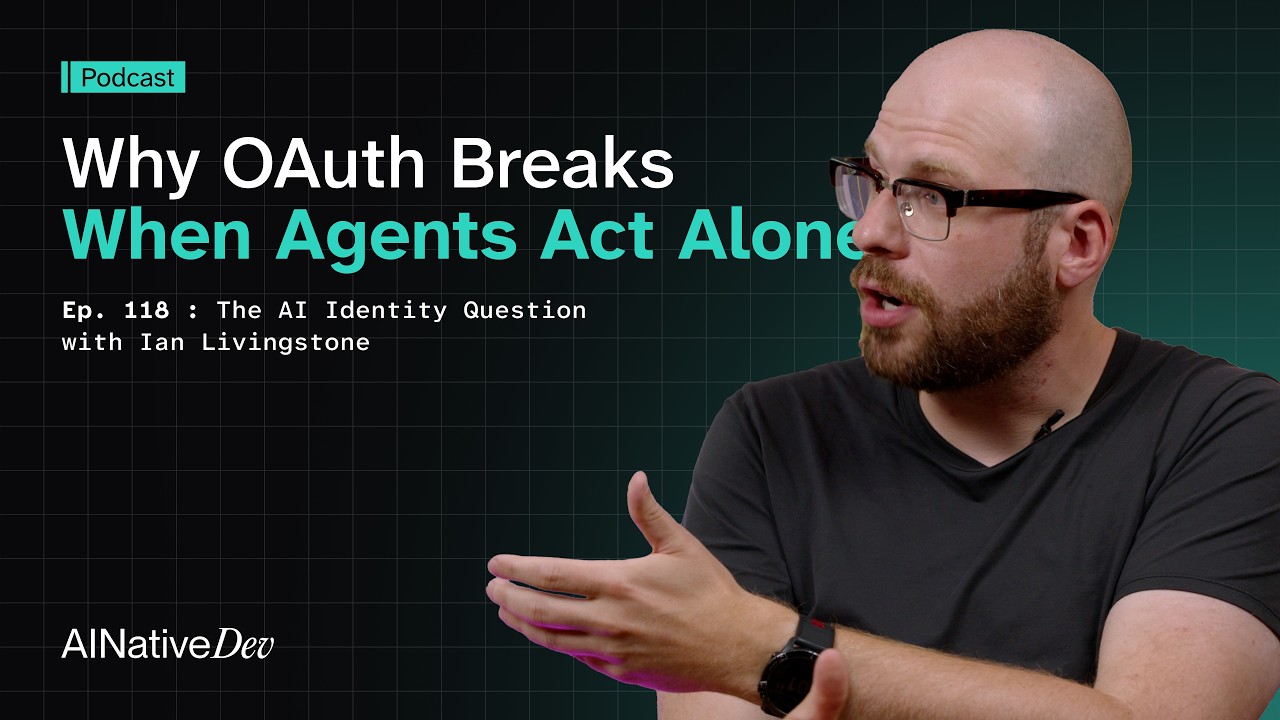
Agents introduce non-determinism, forcing a security shift from simple authentication to complex Mission Identity. Learn how new protocols like Agent Auth and Cross App Access are redefining trust boundaries.
Read article
Autonomous AI agents pose significant security risks due to their unpredictable nature. To mitigate threats like database wipes (Pocket OS), organizations must implement Zero Trust Architecture and scope agent actions using 'harnesses.'
Read article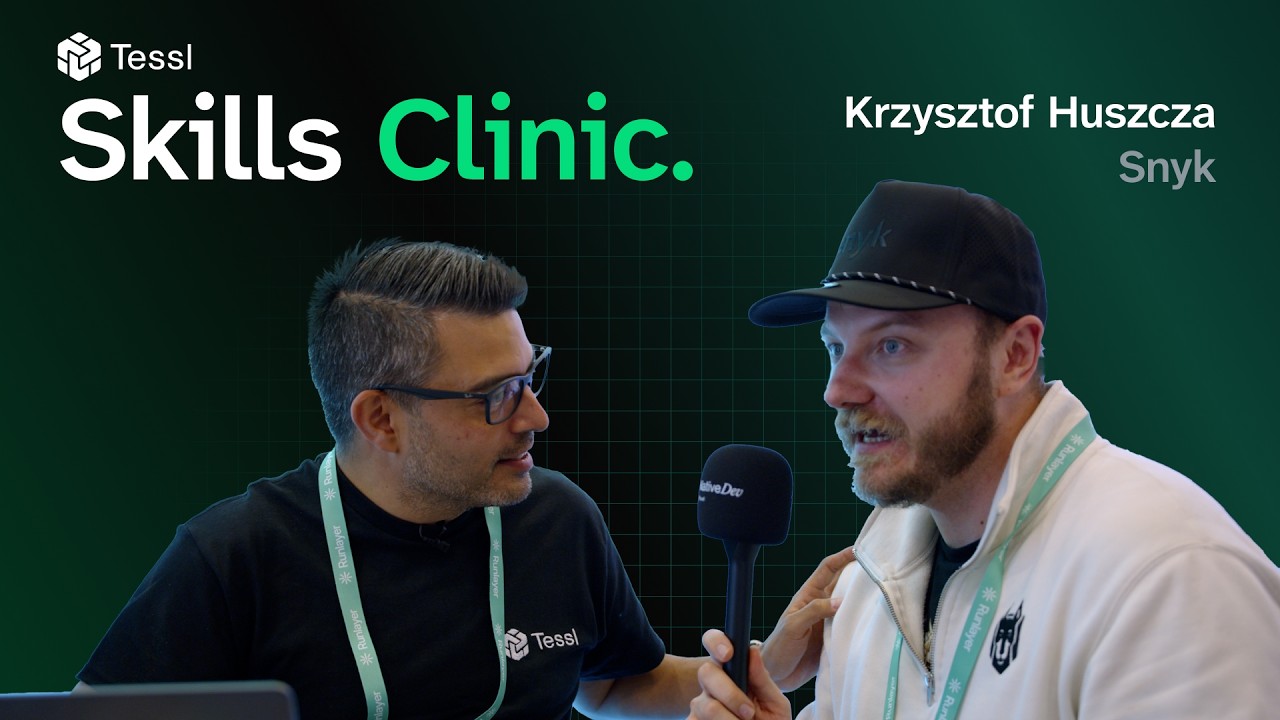
A live demonstration shows how running `tessl review run` on a Snyk skill improved its score from 87% to 90%. The session highlights progressive disclosure and using Agent Scan to catch security vulnerabilities.
Read article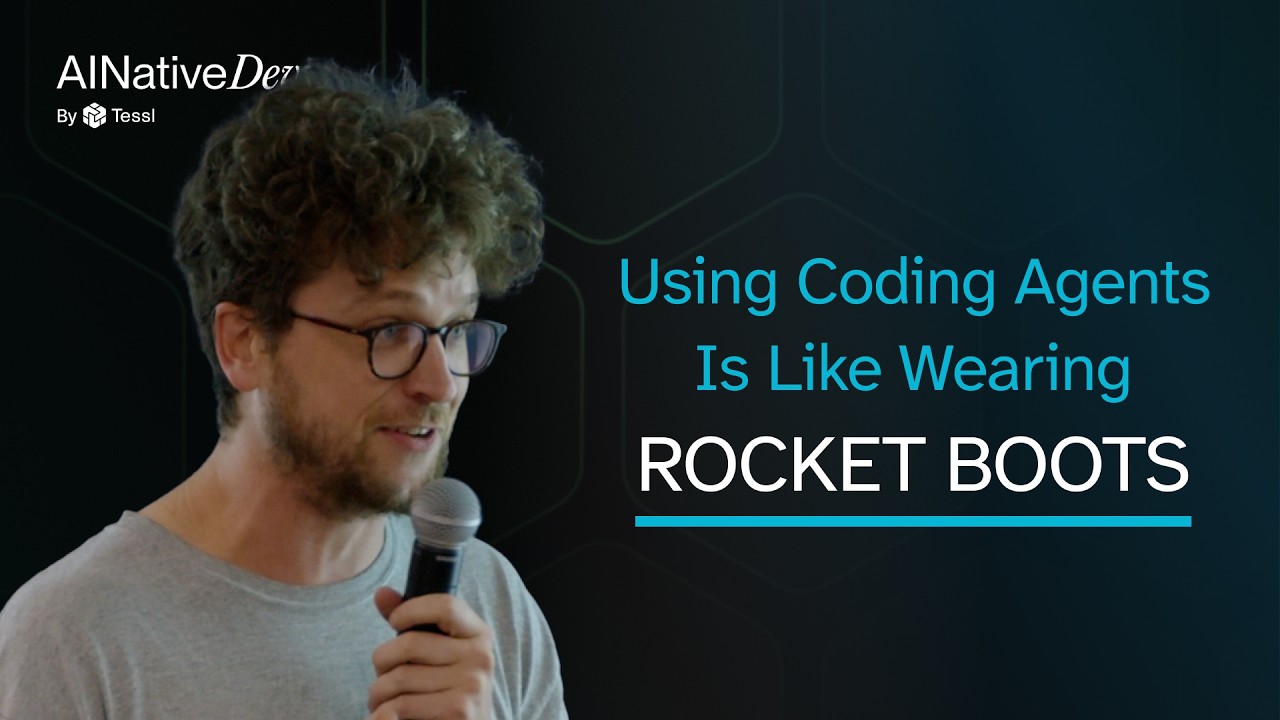
Wayve's agentic PR review system moves beyond guesswork by building structured feedback loops, collecting sentiment and usage data to improve prompts and ensure reliable multi-agent behavior.
Read article
Datadog revealed how deleting years of AI context files improved agent performance, proving that 'context rot' is a real threat in large-scale LLM deployments. Learn about building eval platforms for code review.
Read article