Stanford CS547 HCI Seminar | Autumn 2026 | One Developer, Two Decades, and 30 Million Users Later
Summary
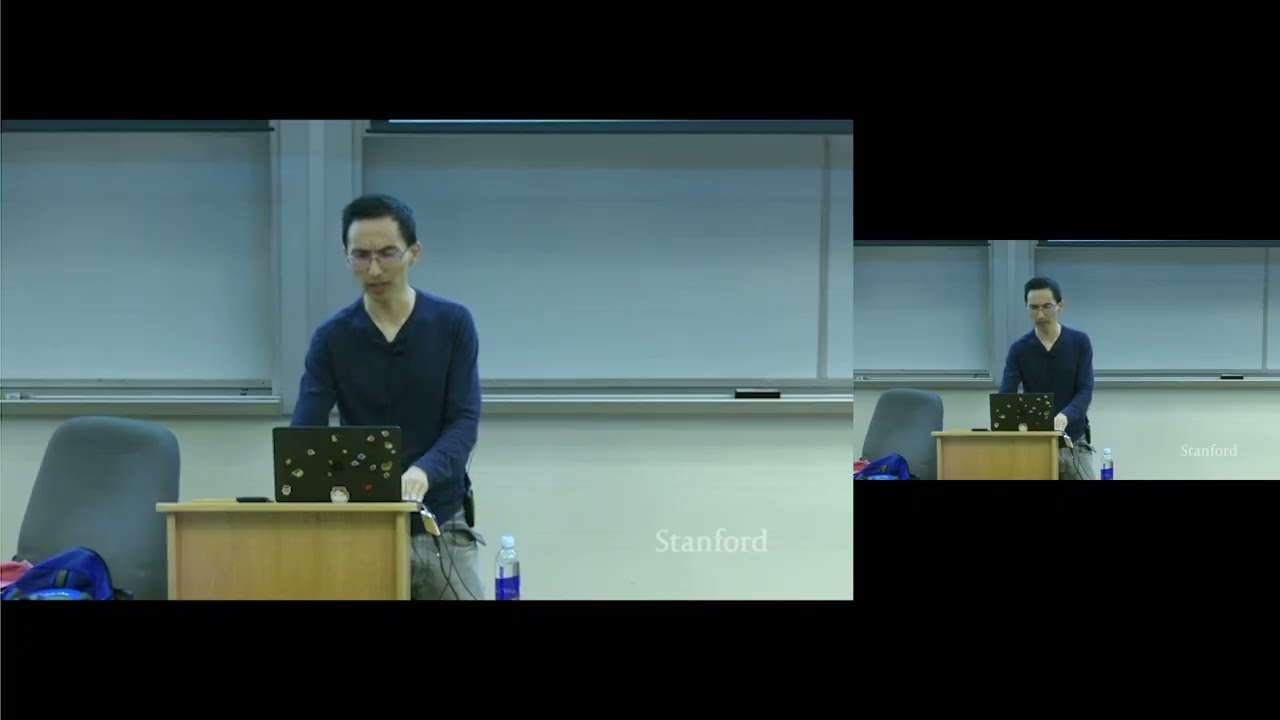
This seminar traces the 20-year journey of Python Tutor, a browser-based code visualization tool, from a grad student side project to a widely used academic resource. The discussion covers the tool's design philosophy—'software as craft'—and its resilience through different eras of technology. The speaker concludes by addressing the current 'Disruption' era, where Generative AI challenges the relevance of step-by-step learning, leading to a focus on how human understanding remains critical even when AI writes the code.
Key takeaways
-
The Lifecycle of Software
18:38
The project evolved through three acts: Inception (as a side project), Acceleration (a decade of growth), and Disruption (the current era defined by Generative AI).
-
Design Philosophy: Craft vs. Metrics
29:45
The tool's longevity is attributed to a 'craft mindset'—focusing on making something useful and good, rather than solely optimizing for metrics, funding, or corporate growth.
-
AI and the Future of Learning
56:00
The rise of AI has led to a flood of automated, low-quality content. The speaker argues that the core value of visualization is not teaching simple programs, but enabling users to understand, debug, and build upon complex code written by others (including AI).
More digests on Code Visualization
Technical details
-
Tool Functionality
352s
Python Tutor runs code and automatically draws diagrams of execution, allowing users to step through code and observe how data structures change, which is crucial for building mental models.
-
Language Support
387s
While named for Python, the tool supports foundational concepts across multiple languages, including Python, Java, and C++.
-
Development Model
1252s
The project began as a single developer side project, contrasting with traditional, grant-funded academic research which often results in short-lived prototypes.
Mentioned resources
Channel & topics
Watch on YouTube · Back to latest
This independent, AI-assisted summary is provided for commentary and informational purposes. It may contain errors or omit important context. Please watch the original video for the creator's complete presentation. Video, thumbnail, and related copyrights belong to their respective owners.