
Ransomware Detection: Why Storage Finds the Attack First
Storage systems can detect ransomware early by monitoring data for anomalies like high entropy or sudden loss of compressibility, acting as the earliest line of defense.
Read articleTopic
All digests tagged AI Updates Newsletter
Suggested route
Move from earlier context through the available material to the newest signals. This route is a reading aid, not a difficulty ranking.
Storage systems can detect ransomware early by monitoring data for anomalies like high entropy or sudden loss of compressibility, acting as the earliest line of defense.
Read article
MLflow provides deep observability for multi-agent systems, moving beyond simple HTTP monitoring to trace internal LLM calls, tool usage, and complex failures like non-determinism. Learn how to use LLM judges and integrate tracing into CI.
Read article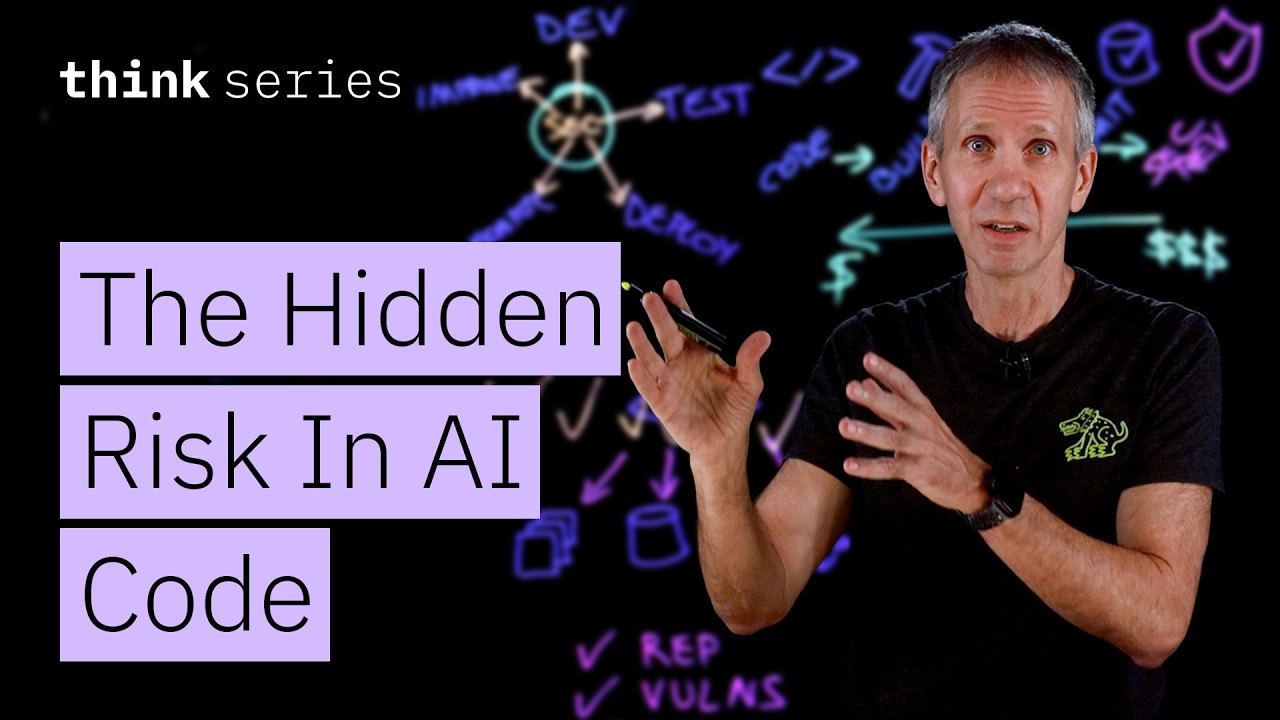
AI accelerates code generation, but security requires a 'shift-left' approach. Learn five key principles for securing AI-assisted development, focusing on outcome validation and dependency integrity.
Read article
Digital Sovereignty is the ability to maintain control over your digital systems, encompassing data, operations, technology, and AI. It requires answering: who controls the data, operations, technology, and AI itself?
Read article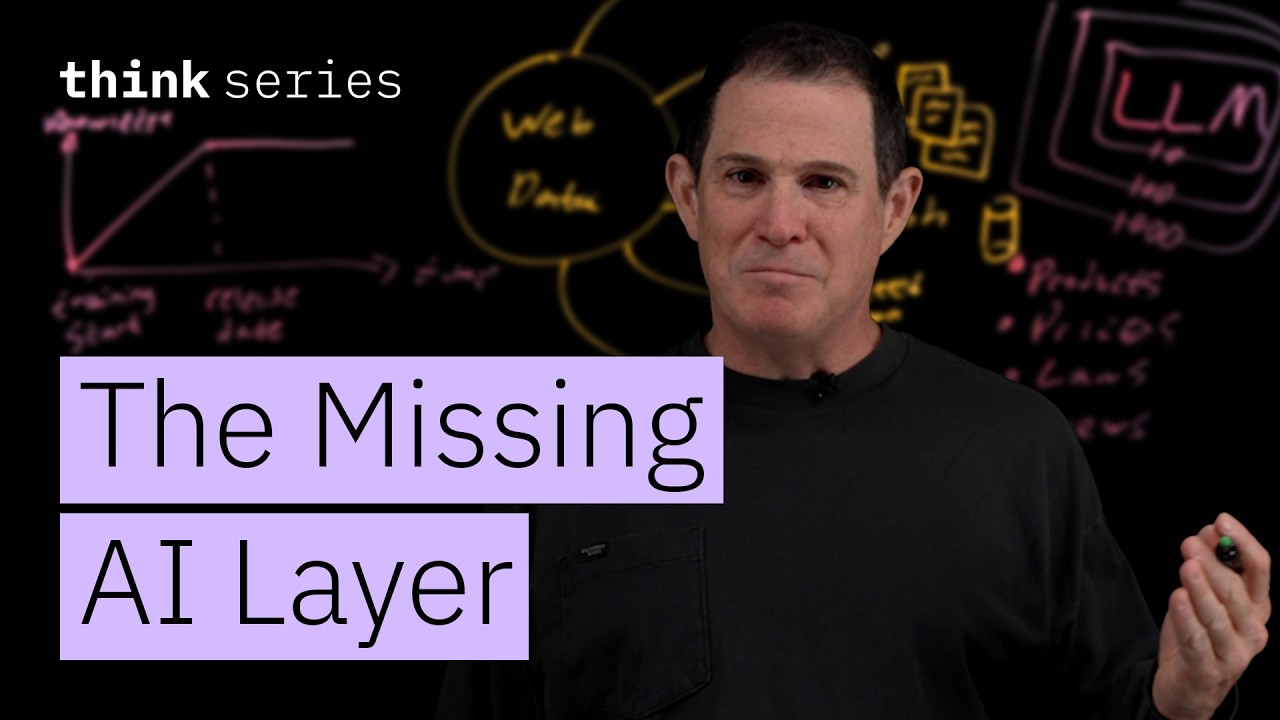
In order to get reliable, uninterrupted access to the public web data on the internet, the knowledge layer needs to get the information from specialized tools. This is where the web data infrastructure layer comes into play.
Read article
Grant Miller breaks down five proven patterns for integrating AI agents with tools, detailing the progression from simple APIs to secure token-based architectures using OAuth flows, MCP, and vaults.
Read article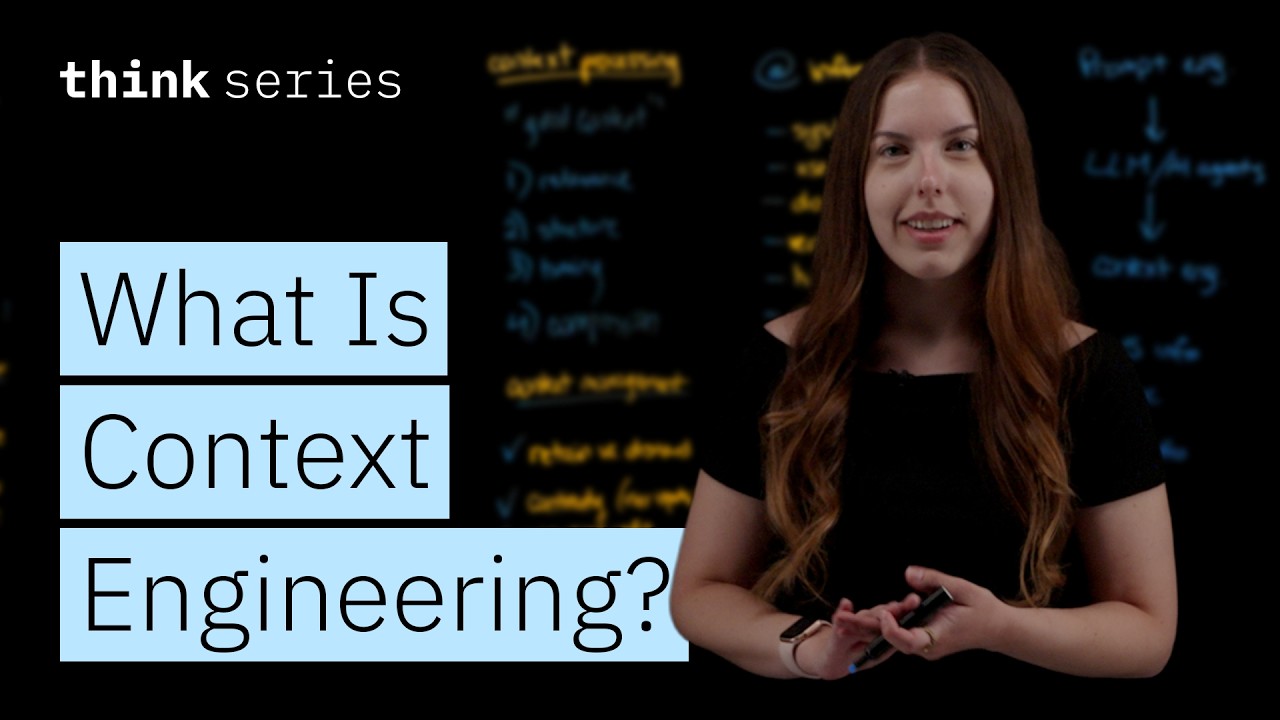
Context Engineering is the critical practice of structuring information passed to LLMs and AI agents. Learn how optimizing context, rather than just writing better prompts, improves reliability and reduces hallucinations in complex AI systems.
Read article
Hallucination is when an AI system confidently gives information that's totally incorrect. As agents take action, grounding them with tools and defining scope are critical design choices.
Read article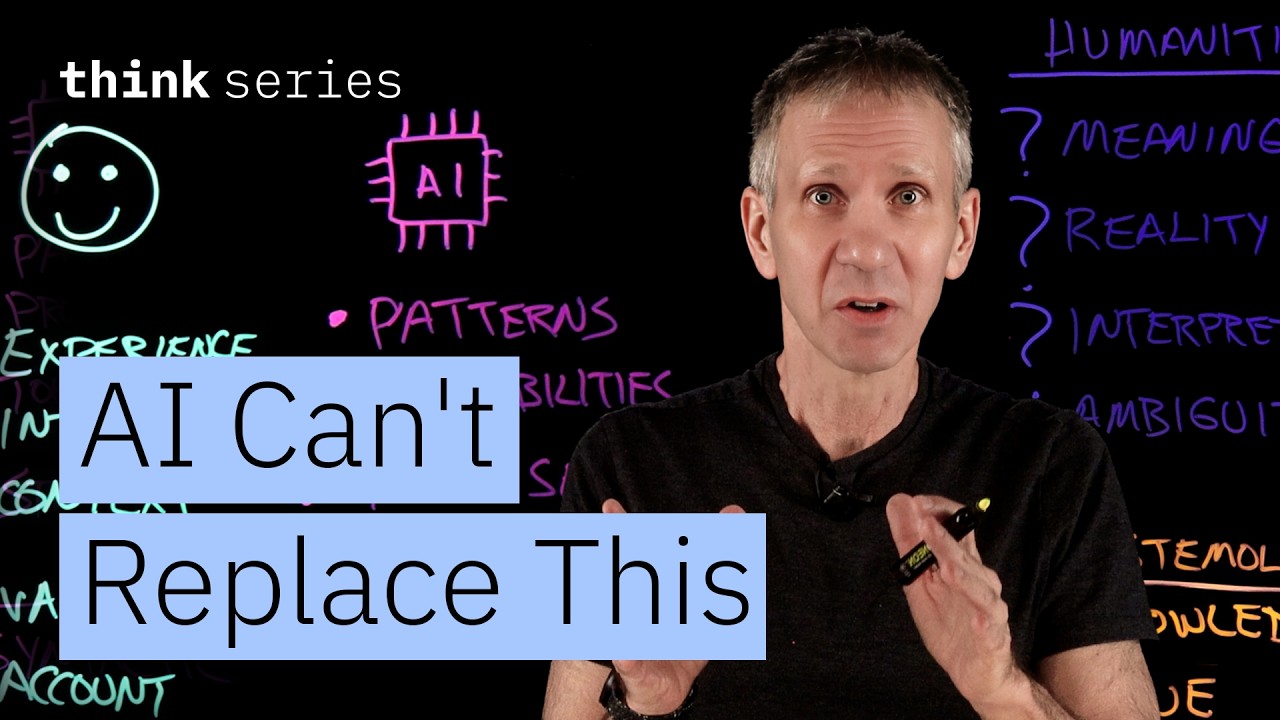
AI systems operate on statistical pattern prediction (syntactic), lacking true semantic understanding of intent or value. The human must remain the critical interpreter to ensure outputs are ethically grounded.
Read article